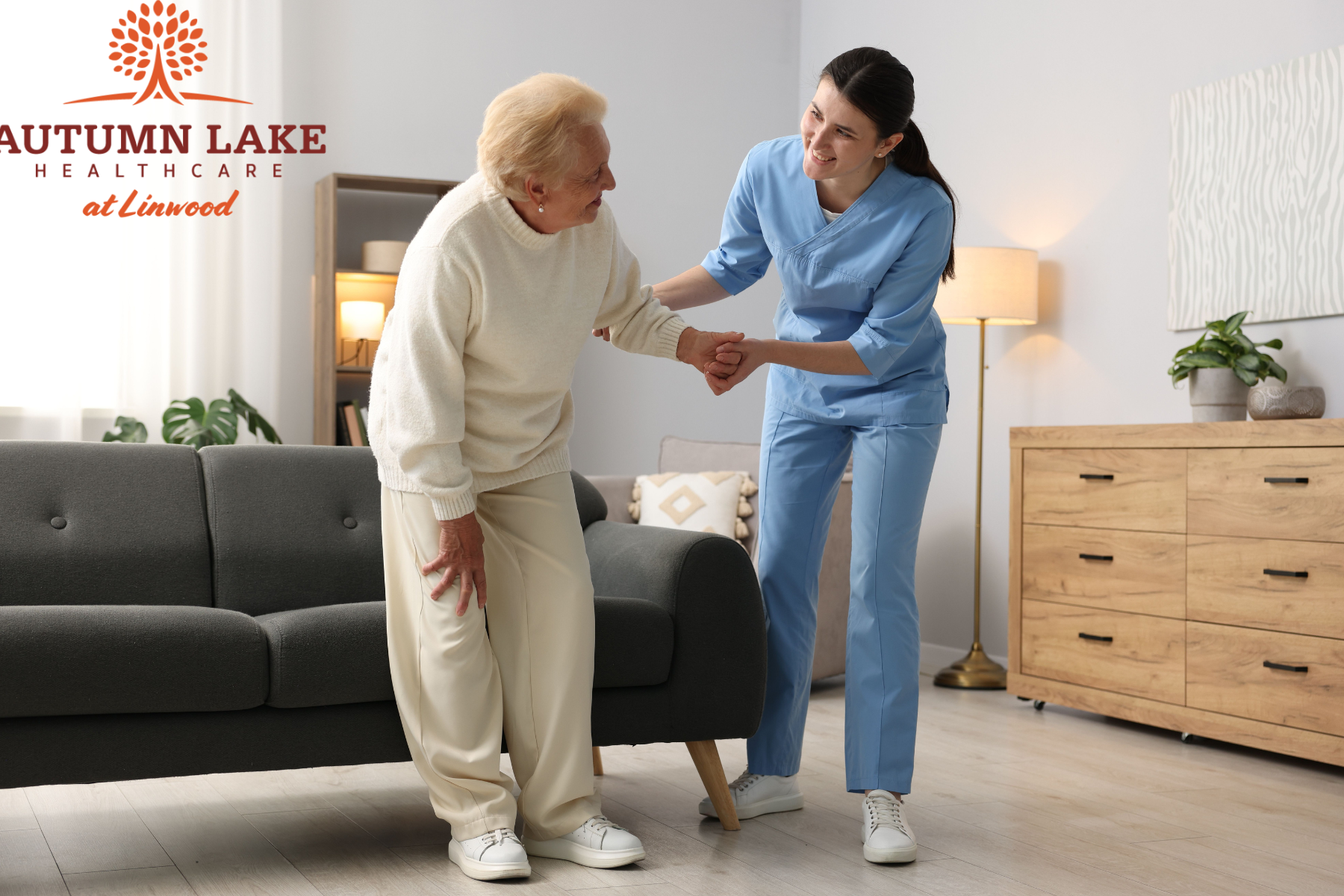
Medical senior support involves skilled care provided by licensed clinicians to manage complex health conditions, while non-medical support focuses on custodial care and assistance with Activities of Daily Living (ADLs). Understanding this distinction is essential for families to determine whether a loved one requires short-term clinical rehabilitation or long-term residential assistance.
Defining the Care Continuum: ADLs vs. Skilled Medical Needs
The transition into senior living in Linwood often begins with a simple realization: a loved one is struggling with daily routines. To navigate this properly, you must distinguish between “treatment” and “assistance.” Non-medical support is designed to bridge functional gaps through help with Activities of Daily Living (ADLs). Conversely, medical support is a clinical requirement triggered when a senior needs a registered nurse (RN) or licensed therapist for specialized intervention.
Comparison Table: Categorizing Care Levels
| Category | Primary Focus | Provider Level | Example Tasks |
| Basic ADLs | Fundamental self-care. | Certified Nursing Assistant (CNA) | Bathing, dressing, and feeding. |
| Instrumental ADLs | Independent living tasks. | Assisted Living Staff | Meal prep, laundry, and reminders. |
| Skilled Medical Care | Clinical treatment. | RN, LPN, or Therapist | Wound care, IV therapy, and dialysis. |
6 Essential ADLs Every Care Plan Must Address
Clinicians evaluate six fundamental pillars of self-care to determine if a patient requires a specialized rehabilitation center in Linwood, NJ. During a recent assessment for a family in the Seaview Harbor neighborhood, we noted that physical safety depends entirely on these metrics.
- Ambulating (Mobility): The physical ability to walk or transfer from a bed to a wheelchair independently.
- Feeding: The mechanics of eating. This is distinct from meal preparation, which is a higher-level cognitive task.
- Dressing: Selecting clothing and managing fasteners like buttons or zippers.
- Personal Hygiene: This encompasses bathing, grooming, and essential dental care.
- Toileting: The ability to use the restroom and perform associated hygiene without assistance.
- Continence Management: The mental and physical capacity to manage bladder and bowel functions or medical devices.
When Support Becomes a Clinical Necessity
When ADL assistance is no longer enough to maintain safety, a nursing home & elder care in Linwood, NJ becomes the appropriate setting. Skilled medical support is required for post-surgical recovery, complex wound care for stage 3 or 4 ulcers, and intensive physical therapy sessions. These services require 24/7 clinical oversight that goes beyond the scope of traditional residential care.
Excellence in Long-Term Care: Our Dignity-First Framework
We are known for our excellence in long-term care, providing around-the-clock skilled nursing for a wide range of complex medical conditions. However, we believe that clinical outcomes are tied to personal agency. This philosophy is executed through our proprietary Dignity-First Framework, which we apply to solve the common problem of “institutionalization” found in many nursing homes in Linwood, NJ.
Our Dignity-First Framework ensures that we offer post-hospital, short-term rehabilitation as well as long-term and respite care that prioritizes the resident’s voice. Instead of a rigid “top-down” medical model, we utilize “Assisted Independence.” This means we allow residents to perform as many of their own ADLs as safely possible, preserving motor skills and self-worth while our staff provides the necessary clinical safety net.
Therapeutic Recreation and Social Vitality
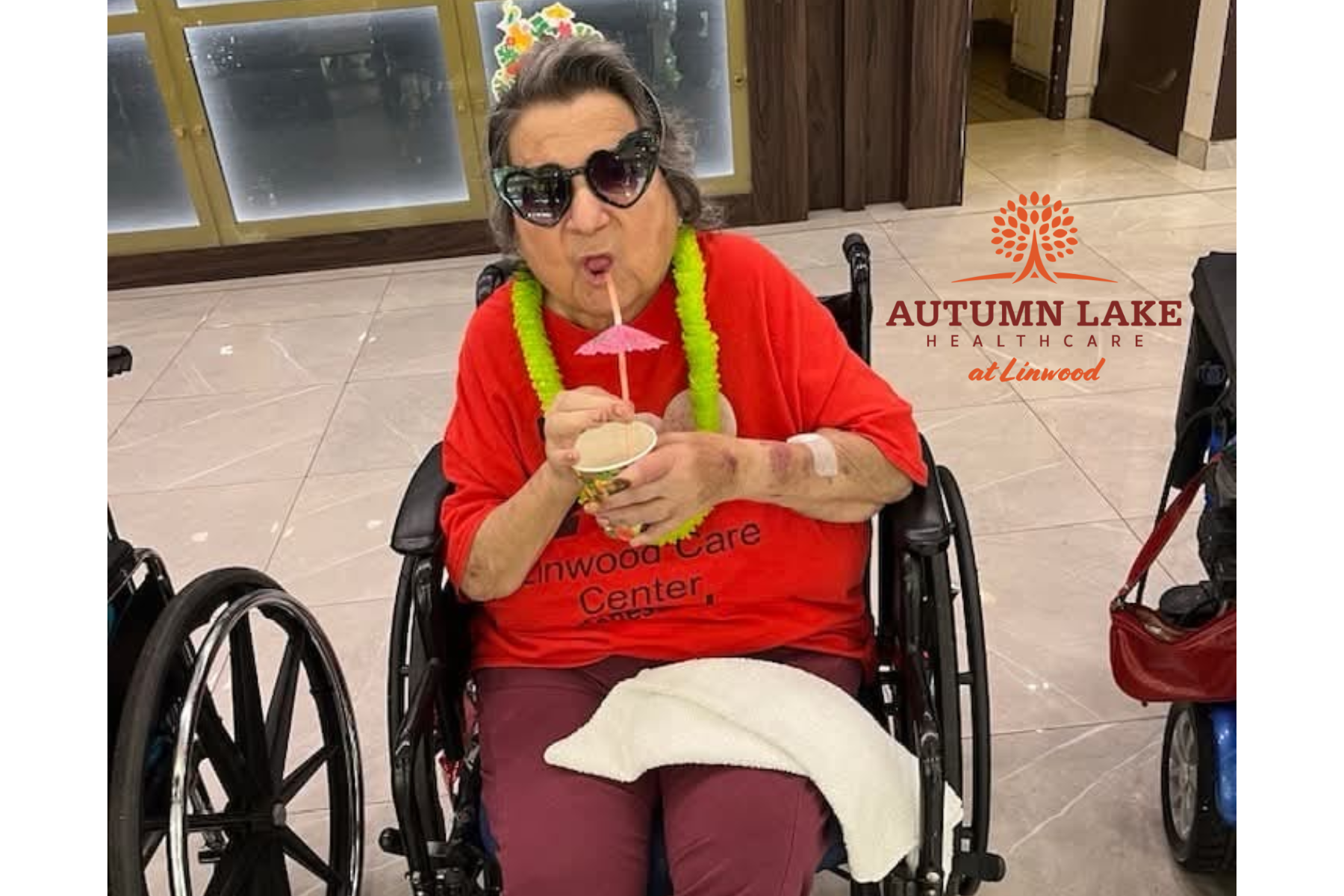
Medical health improves when emotional isolation is removed. A vibrant social atmosphere is a hallmark of high-quality assisted living in Linwood, NJ. Our residents have access to a structured calendar of Therapeutic Recreational Activities, including:
- Active Wellness: Yoga, Tai Chi, Gardening, and Nature Walks.
- Social Connection: Bingo Mania, Casino Night, Market Days, and Group Outings.
- Creative & Spiritual: Arts & Crafts, Music & Dancing, and Religious Services.
- Sensory Care: Spa Days and Sensory Focused Activities designed for cognitive stimulation.
Debunking the Myth: “Medicaid Only Covers the Room and Board”
A common industry misconception is that Medicaid only covers basic “custodial” costs. In reality, Medicaid and various insurance plans are vital tools for accessing skilled medical care. We accept Medicare, Medicaid, most insurances, and private pay, ensuring that residents in Linwood have access to the highest level of nursing care regardless of their complex financial requirements.
Frequently Asked Questions
What is the difference between ADLs and IADLs?
ADLs are basic self-care tasks like bathing. IADLs (Instrumental Activities of Daily Living) are complex tasks like managing finances or grocery shopping.
Does Medicare cover long-term senior living?
Medicare typically covers short-term “skilled” stays for rehabilitation but does not cover long-term custodial care or room and board.
How is “Skilled Nursing” different from “Assisted Living”?
Skilled nursing provides 24/7 medical care by licensed nurses, whereas assisted living focuses on help with ADLs and social support for more independent seniors.
To Sum Up
At Complete Care at Linwood managed by Autumn Lake Healthcare at Linwood, we bridge the gap between intensive clinical recovery and a warm, dignified home environment. Our team is ready to guide your family through the transition from hospital to home, or into a permanent community that values your loved one’s autonomy as much as their health.
Ready to learn more? Visit us to schedule a tour or speak with our clinical admissions team today.