How to Transition a Parent to Memory Care Without Increasing Relocation Stress

To transition a parent to memory care without increasing relocation stress, you must prioritize environmental continuity and emotional validation over logic. Success hinges on duplicating their current room layout, utilizing “therapeutic fibbing” to reduce immediate panic, and timing the move during their peak cognitive hours to prevent sensory overload.

Understanding Relocation Stress Syndrome (RSS)

Relocation Stress Syndrome (RSS) is a cluster of physiological and psychological symptoms, such as increased confusion, anxiety, and agitation, that occurs when a senior is uprooted. When searching for senior living in Linwood, NJ, families often worry that the move itself might cause a decline in their loved one’s health. By following a structured, clinical approach to the move, you can bypass “transfer trauma” and help your parent settle into their new rhythm with dignity.

5 Steps to Minimize Stress During the Transition

The goal of a successful transition is to make the new environment feel like a familiar extension of their previous home.

1. The “Slow-Sifting” Method

Start downsizing well in advance, but keep the process invisible to your parent. Seeing their life’s possessions in boxes can trigger a sense of loss and panic. When selecting furniture for assisted living in Linwood, choose pieces that have been in their daily rotation for years rather than buying new items.

2. Duplicate the Physical Environment

Before move-in day, take photos of your parents’ current nightstand, dresser, and favorite chair. Arrange the new room in the memory care unit to be a mirror image of their old one. Having the lamp on the same side and the remote in the same drawer provides “muscle memory” comfort that bypasses cognitive decline.

3. Utilize “Bridge” Items for Comfort

Don’t wash their favorite blanket or pillowcases right before the move. Familiar scents act as a powerful anchor. In the transition to a nursing home and rehabilitation center in Linwood, NJ, these sensory cues tell the brain they are in a safe place before the logic of the new location even sets in.

4. Coordinate the “Quiet Move-In.”

Avoid moving during shift changes or meal times when the hallways are busy. A mid-morning move, around 10:00 AM, is typically the “sweet spot” where staffing is high but noise levels are low, preventing the sensory overload that often leads to wandering.

5. The Gentle Exit

The first departure is the hardest. Instead of a tearful goodbye that emphasizes the “permanence” of the move, use a validated excuse. “I’m going to the store, and I’ll be back soon” allows the parent to let you go without the weight of abandonment.

Choosing the Right Setting: Feature Comparison

When evaluating a rehabilitation center in Linwood or a long-term memory care wing, look for physical cues that reduce agitation.

Feature Standard Clinical Setting Specialized Memory Care
Physical Layout Long, sterile hallways. Circular paths that prevent “dead-end” agitation.
Safety Features General call buttons. Integrated alarm systems to aid in the security of residents with cognitive deficiencies.
Lighting Standard fluorescent. Natural light from beautiful courtyards and gardens to reduce sundowning.
Personal Space Shared clinical rooms. Private and semi-private rooms with individual climate control.

Debunking the “Wait Until the Last Minute” Myth

A common industry misconception is that you should wait until a crisis, like a fall or a wandering incident, to move a parent. This is false. Waiting for a crisis maximizes relocation stress because the parent is forced to adapt while physically compromised. Proactive placement in a nursing home in Linwood, NJ, allows the resident to learn the faces of their caregivers while they still have the cognitive reserve to adapt.


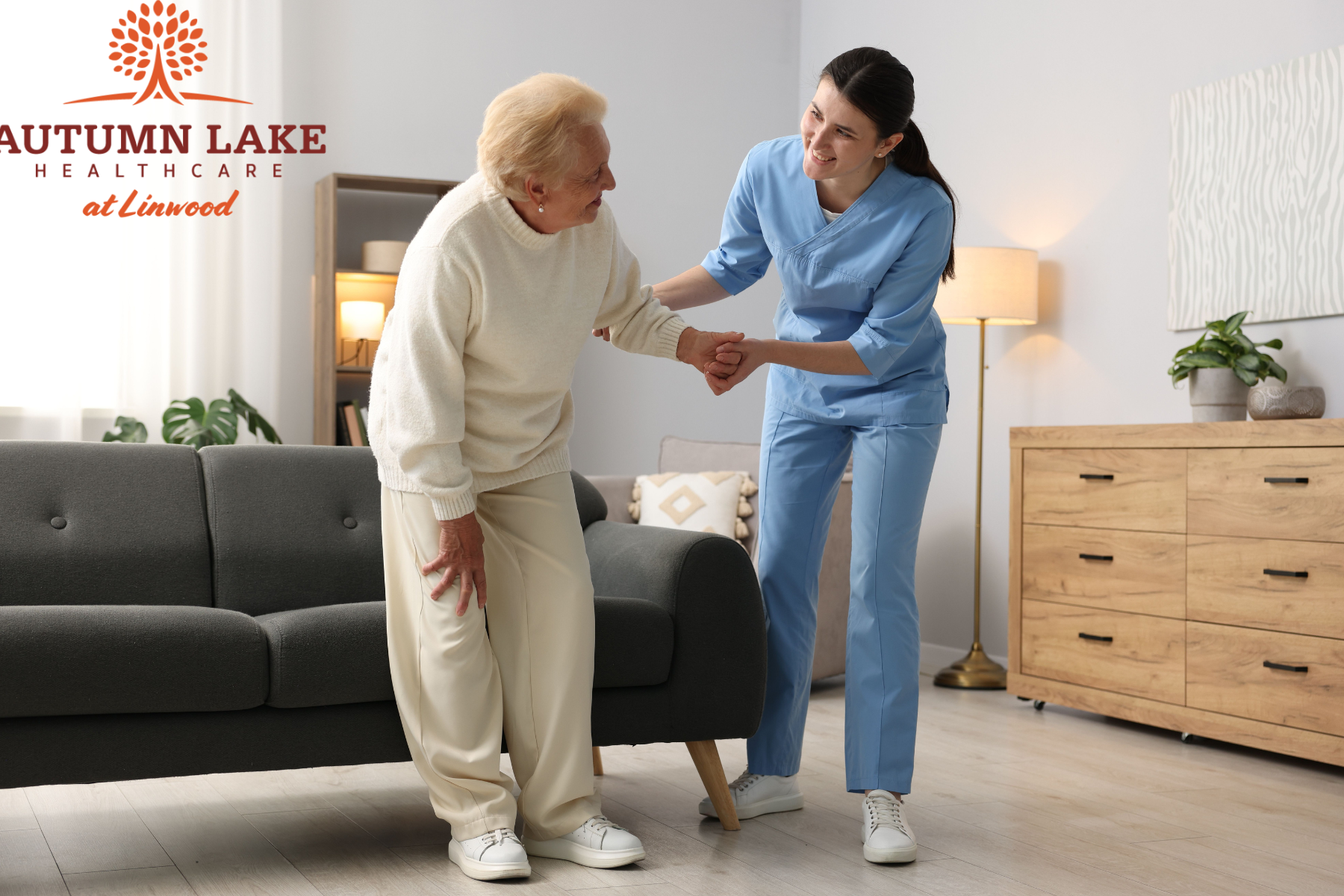
A nurse in a white uniform listens attentively and takes notes while a female resident describes her symptoms at Autumn Lake Healthcare at Linwood.


Applying our Clinical-Charm Protocol to Solve This

We believe a successful transition requires a specific balance: our facility blends the charm of small-town life with top-tier clinical care. This “Secret Language” of care ensures that while a resident’s medical needs are met, their soul is nurtured through a familiar, community-focused lifestyle.

The Resident Experience:

Residents enjoy peaceful outdoor courtyards, private rooms, and a vibrant array of activities, from spa days and music & dancing to arts & crafts and group outings. For those with higher medical needs, we offer specialized units for memory care and dementia, as well as advanced services like ventilator and dialysis care. We provide dedicated long-term and respite care tailored to a wide range of complex medical needs.

The Environment & Amenities:

  • Dining: A delightful dining experience where residents can choose to join us in our dining room or stay in the privacy of their own room.
  • Security: An alarm system to aid in the security of residents with cognitive deficiencies.
  • Social Life: Comfortable common areas for socializing, a computer with internet access, and concierge services.
  • Convenience: On-site beauty salon, laundry facility, and pharmaceutical delivery service.
  • Logistics: We accept Medicare, Medicaid, most insurances, and private pay.

Frequently Asked Questions

What is the best day of the week to move into memory care?

Tuesday or Wednesday is ideal. Most administrative staff are on-site, and it avoids the reduced staffing levels often found on weekends.

Should I tell my parent they are moving permanently?

Often, no. Telling a person with advanced dementia they are never going home can trigger intense grief. Focus on the immediate “why” (e.g., “The house is being painted”) to maintain peace.

How long does Relocation Stress Syndrome last?

Typically, the adjustment period lasts between 21 and 90 days. Consistency in routine during this window is vital for long-term success.

To Sum Up

The transition to memory care is a profound act of love. It is about moving from being a full-time “safety guard” to being a son or daughter again. At Complete Care at Linwood managed by Autumn Lake Healthcare at Linwood, we specialize in making this transition seamless, dignified, and stress-free.

From our private hospice rooms to our sun-drenched gardens, every square inch of our community is designed to foster a sense of belonging. We invite you to experience our delightful dining experience and see firsthand how we provide dedicated care tailored to complex medical needs. 

Ready to see the difference for yourself? Schedule a tour of our facility or call us today to discuss your parents’ unique needs.

How Do You Choose Between a Skilled Nursing Facility and an Inpatient Rehabilitation Facility After a Stroke?

Choosing between a Skilled Nursing Facility (SNF) and an Inpatient Rehabilitation Facility (IRF) depends on the patient’s medical stability and their ability to participate in three hours of intensive therapy daily. IRFs are best for those who can tolerate rigorous rehabilitation to return home quickly, while SNFs provide a more flexible, sustainable pace for patients who require longer-term medical supervision and “step-down” therapy.

SNF vs. IRF: A Direct Comparison of Care

The period immediately following a stroke is a high-stakes transition. Families are often asked to choose between these two settings within hours of a “stable” diagnosis, but the fundamental difference lies in the intensity of services.

Feature Inpatient Rehabilitation Facility (IRF) Skilled Nursing Facility (SNF)
Therapy Intensity Strict 3 hours/day (15 hours/week) Tailored to patient stamina (1–2 hours/day)
Medical Supervision Daily face-to-face physician visits Weekly or as needed
Nursing Care High-acuity hospital-level nursing Specialized sub-acute nursing
Length of Stay Shorter (Average 12–16 days) Longer (Average 24–60+ days)
Primary Goal Rapid functional restoration Stabilization and gradual recovery

In our experience assisting families at a rehabilitation center in Linwood, NJ, we find that the decision often rests on physical stamina. If a patient is exhausted simply by sitting up in bed, the rigorous demands of an IRF might be counterproductive, making a SNF a more supportive environment for healing.

Key Specifications and Requirements

To ensure the right level of care, insurance providers and clinical teams look for specific markers. Understanding these requirements helps you advocate for your loved one during the discharge planning process.

Inpatient Rehabilitation Facility (IRF) Requirements

  • The 3-Hour Rule: The patient must be physically capable of participating in three hours of active therapy at least five days a week.
  • Medical Necessity: There must be a need for frequent visits by a physician specializing in rehabilitation (a physiatrist).
  • The 60% Rule: These facilities must ensure 60% of their patients fall under specific categories, with stroke being a primary qualifier.

Skilled Nursing Facility (SNF) Requirements

  • Qualifying Hospital Stay: For Medicare coverage, a patient typically needs a three-night inpatient hospital stay before admission.
  • Daily Skilled Need: The patient must require services only a licensed nurse or therapist can provide, such as wound care or IV therapy.
  • Nursing Home & Elder Care in Linwood, NJ: Many local families choose this route when the patient needs a bridge between the hospital and home, focusing on “Activities of Daily Living” (ADLs).


A nurse in white scrubs comforts a senior resident in a wheelchair in a hallway at Autumn Lake Healthcare at Linwood.


Debunking the Myth: “More Therapy Always Equals Better Results”

A common industry misconception is that the high-intensity label of an IRF automatically translates to a superior outcome. While IRFs are excellent for high-stamina patients, the “3-hour rule” can be a double-edged sword.

The Reality: Stroke recovery is a marathon. For many survivors, the brain requires immense rest to repair neural pathways. Forcing 180 minutes of daily therapy before a patient is ready can lead to burnout or physical setbacks. In many cases, nursing homes in Linwood, NJ, provide a more holistic atmosphere where therapy is integrated into a sustainable daily routine rather than a rigid, exhausting schedule.

Our Approach: Clinical Excellence with Small-Town Charm

We believe that recovery is most effective when the environment reflects the comfort of home. Our facility blends the charm of small-town life with top-tier clinical care. Residents enjoy peaceful outdoor courtyards, private rooms, and a vibrant array of activities, from spa days and music and dancing to arts and crafts and group outings.

We offer specialized units for memory care and dementia, as well as advanced services like ventilator and dialysis care. We provide dedicated long-term and respite care tailored to a wide range of complex medical needs. Patients enjoy a delightful dining experience and can choose to join us in our dining room or to stay in the privacy of their own room. This philosophy ensures that senior living in Linwood remains dignified, personalized, and clinically sound.

Facility Amenities & Features

  • Safety: Alarm systems to aid in the security of residents with cognitive deficiencies and a smoke-free environment.
  • Leisure: Activities Room, beautiful courtyards and gardens, and comfortable common lounge areas for socializing.
  • Personal Care: On-site beauty salon, barber services, and pharmaceutical delivery.
  • Connectivity: WiFi, cable television, and computers with internet access.
  • Convenience: Individual climate control, laundry facilities, and mail/newspaper service.
  • Healthcare Access: Wellness programs, fitness room, and private hospice rooms.

Financial Considerations and Coverage

The financial aspect of stroke recovery shouldn’t be a barrier to quality care. During recent consultations for assisted living in Linwood, NJ, we found that many families are surprised by the flexibility of payment options for skilled nursing.

We accept:

  • Medicare and Medicaid
  • Most Private Insurances
  • Private Pay

Frequently Asked Questions

Does Medicare pay for both SNFs and IRFs?

Yes, though the “benefit periods” and co-pays differ. IRFs are often covered under Part A as acute care, while SNFs have a 100-day limit per benefit period.

Can a patient move from an IRF to an SNF?

Absolutely. Many patients begin in an IRF for intensive work and “step down” to a SNF if they need more time to reach their baseline before going home.

Is there specialized care for stroke-related dementia?

Yes. We offer specialized memory care units with enhanced security and activities designed for cognitive engagement.

To Sum Up

The choice between an SNF and an IRF is about matching the facility to the patient’s current energy levels. At Complete Care at Linwood managed by Autumn Lake Healthcare at Linwood, we provide the clinical sophistication of a hospital with the warmth of a community.

Ready to see the difference for yourself? Visit our website to schedule a tour or contact our team today to discuss how we can support your journey back to health.

Skilled Nursing Facility vs. Inpatient Rehabilitation Facility: Clinical Differences and Admission Criteria

The primary clinical difference between a Skilled Nursing Facility (SNF) and an Inpatient Rehabilitation Facility (IRF) is the intensity of medical oversight and therapy requirements. While an IRF requires patients to participate in three hours of intensive therapy daily under frequent physician supervision, a SNF provides a lower-intensity environment focused on skilled nursing care and steady functional recovery.

The Critical Threshold of Medical Necessity

When a patient prepares for discharge from an acute care hospital, the transition team must determine the most effective post-acute path based on “rehabilitative potential.” An Inpatient Rehabilitation Facility (IRF) is designed for those with high medical complexity who can physically tolerate a high-load therapeutic environment. Conversely, a nursing home and rehabilitation center in Linwood, NJ, is structured for patients who are medically stable but require daily professional nursing interventions.

Clinical Intensity and Regulatory Requirements

The Centers for Medicare & Medicaid Services (CMS) maintains strict guardrails to ensure patients are placed in the correct environment. These benchmarks are essential for discharge planners and families navigating the healthcare landscape.

Key Performance Indicators for Admission

  1. The Three-Hour Rule: IRF care requires a patient to complete at least 3 hours of therapy per day. If a patient is too fatigued or medically fragile to meet this quota, an SNF is the appropriate clinical alternative.
  2. Physician Oversight: IRF patients require a minimum of three face-to-face physician visits per week. In an SNF setting, federal regulations require a physician visit once every 30 days for the first 90 days of the stay.
  3. Multidisciplinary Team Coordination: IRFs are required to hold weekly interdisciplinary team meetings to discuss progress. While SNFs use a team-based approach, the frequency is typically dictated by the individual’s care plan.

During a recent consultation for a family seeking senior living in Linwood, NJ, our team noted that many residents find the SNF environment more conducive to healing because it allows for a measured pace that prevents burnout.

Side-by-Side Comparison: SNF vs. IRF

The following table highlights the operational and clinical differences that define these two levels of care.

Feature Skilled Nursing Facility (SNF) Inpatient Rehab Facility (IRF)
Therapy Intensity 1–2 hours per day; adaptable pace. Strict 3-hour daily minimum.
Medical Stability Clinically stable; needs nursing/wound care. Acutely ill; requires active management.
Average Stay 20 to 100 days (based on benefit). 10 to 20 days (fast-paced).
Nursing Focus Chronic disease management/ADL support. Acute rehabilitative nursing.

Debunking the “Hospital-Lite” Myth

A common industry misconception suggests that an IRF is simply a more “luxurious” version of a nursing home. In reality, the IRF is a high-acuity hospital setting with specific diagnostic requirements.

The Myth: Any patient who is “too weak to go home” after a surgery belongs in an IRF.

The Reality: IRF admission is governed by the “60% Rule,” requiring that 60% of patients have one of 13 specific diagnoses, such as stroke or spinal cord injury. If a patient is recovering from a standard hip replacement without significant complications, a rehabilitation center in Linwood provides the necessary skilled intervention without the prohibitive physical strain of an IRF.


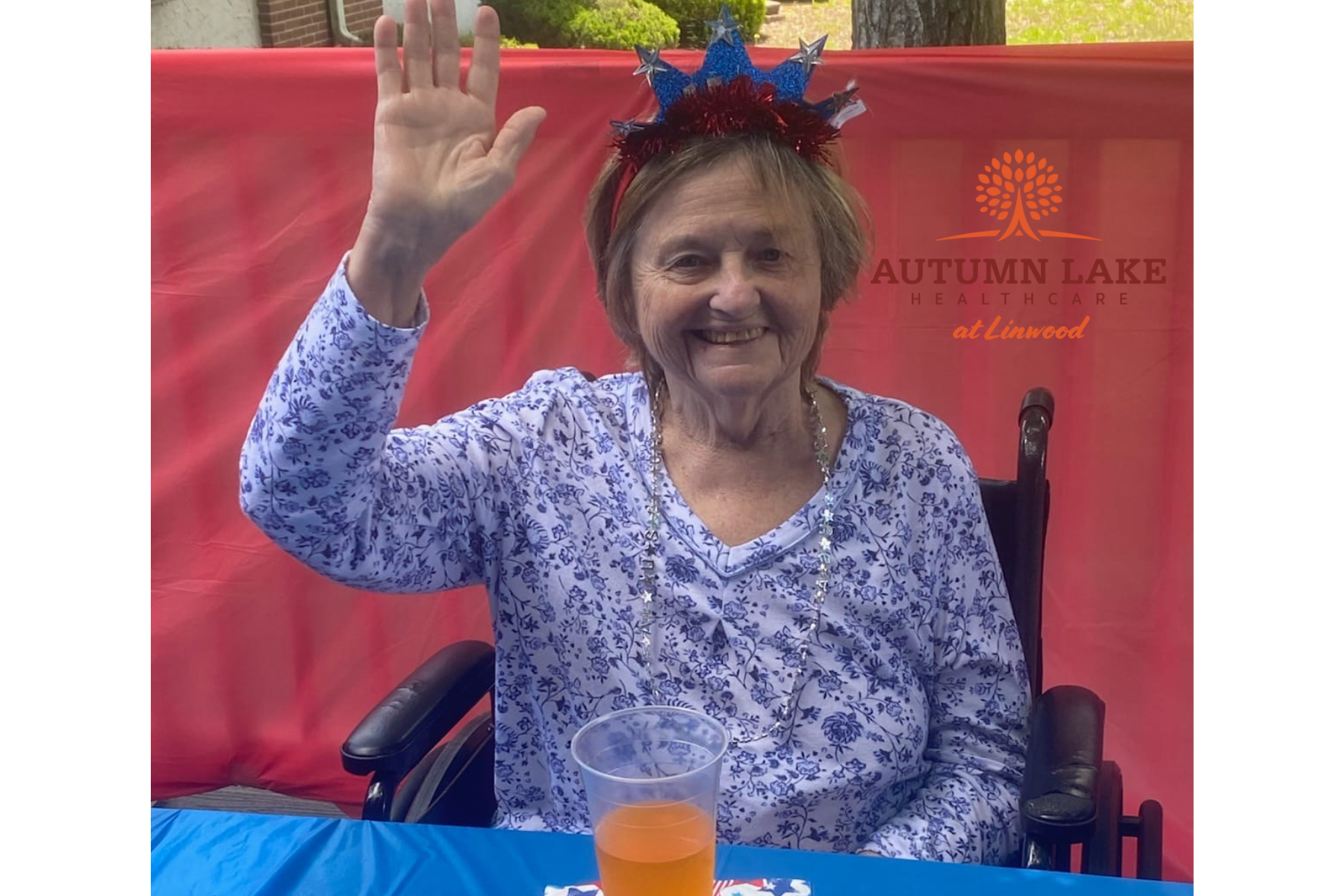
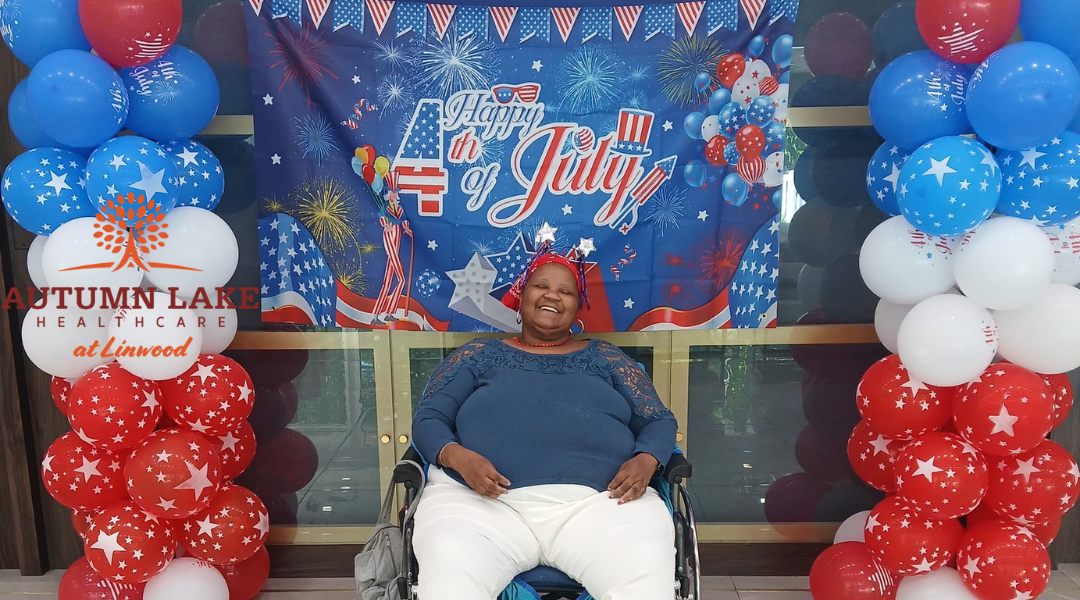
A smiling resident in a wheelchair waves at a patriotic-themed event at a rehabilitation care center.


Specialized Care: Beyond the Basics

We offer specialized units for memory care and dementia, as well as advanced services like ventilator and dialysis care. We provide dedicated long-term and respite care tailored to a wide range of complex medical needs. Our facility features an alarm system to aid in the security of residents with cognitive deficiencies, alongside beautiful courtyards and gardens for a peaceful recovery.

Residents enjoy private and semi-private rooms with individual climate control, in-room dining options, and a variety of menu selections. For those seeking assisted living in Linwood, we offer a concierge, on-site beauty salon, and wellness programs to ensure a high quality of life. We accept Medicare, Medicaid, most insurances, and private pay to ensure our services remain accessible.

Determining the Right Placement

When to Choose an IRF

Choose an IRF if the patient is medically unstable enough to require a doctor’s eyes every other day, but physically strong enough to endure three hours of intense exercise. This is common for younger stroke victims or patients with sudden neurological injuries.

When to Choose an SNF

Choose a nursing home in Linwood, NJ, if the patient needs daily skilled nursing, such as IV medications or sterile dressing changes, but cannot tolerate high-intensity sessions. This “bridge” allows for a slower, safer return to independent living.

Frequently Asked Questions

What is the most common reason for an SNF denial?

The most common reason is a lack of “skilled need.” If a patient only requires custodial care (help with eating or walking) rather than nursing or therapy, Medicare may not cover the stay.

Can a patient move from an IRF to an SNF?

Yes. Often, a patient will spend 10 days in an IRF for intensive therapy but still requires professional nursing before going home. They can then step down to an SNF for continued recovery.

Is an IRF more expensive than an SNF?

Yes. Due to the high ratio of physicians and therapists, the daily cost of an IRF is significantly higher, which is why insurance companies have rigorous medical necessity checks for placement.

To Sum Up

Choosing the right facility is the most important decision in the recovery journey. At Autumn Lake Healthcare at Linwood, we combine high-level clinical expertise with the warmth of a community-focused environment. From our private dining rooms for family gatherings to our advanced ventilator care, we are equipped to handle your family’s most complex needs.

Schedule a tour today and learn more about our services and facility!

Visit us to explore our wellness programs or call our concierge to discuss your specific clinical requirements. We don’t just provide care, we provide a community where healing happens.

Medical vs. Non-Medical Senior Support: A Guide to Activities of Daily Living (ADLs)

Medical senior support involves skilled care provided by licensed clinicians to manage complex health conditions, while non-medical support focuses on custodial care and assistance with Activities of Daily Living (ADLs). Understanding this distinction is essential for families to determine whether a loved one requires short-term clinical rehabilitation or long-term residential assistance.

Defining the Care Continuum: ADLs vs. Skilled Medical Needs

The transition into senior living in Linwood often begins with a simple realization: a loved one is struggling with daily routines. To navigate this properly, you must distinguish between “treatment” and “assistance.” Non-medical support is designed to bridge functional gaps through help with Activities of Daily Living (ADLs). Conversely, medical support is a clinical requirement triggered when a senior needs a registered nurse (RN) or licensed therapist for specialized intervention.

Comparison Table: Categorizing Care Levels

Category Primary Focus Provider Level Example Tasks
Basic ADLs Fundamental self-care. Certified Nursing Assistant (CNA) Bathing, dressing, and feeding.
Instrumental ADLs Independent living tasks. Assisted Living Staff Meal prep, laundry, and reminders.
Skilled Medical Care Clinical treatment. RN, LPN, or Therapist Wound care, IV therapy, and dialysis.

6 Essential ADLs Every Care Plan Must Address

Clinicians evaluate six fundamental pillars of self-care to determine if a patient requires a specialized rehabilitation center in Linwood, NJ. During a recent assessment for a family in the Seaview Harbor neighborhood, we noted that physical safety depends entirely on these metrics.

  1. Ambulating (Mobility): The physical ability to walk or transfer from a bed to a wheelchair independently.
  2. Feeding: The mechanics of eating. This is distinct from meal preparation, which is a higher-level cognitive task.
  3. Dressing: Selecting clothing and managing fasteners like buttons or zippers.
  4. Personal Hygiene: This encompasses bathing, grooming, and essential dental care.
  5. Toileting: The ability to use the restroom and perform associated hygiene without assistance.
  6. Continence Management: The mental and physical capacity to manage bladder and bowel functions or medical devices.

When Support Becomes a Clinical Necessity

When ADL assistance is no longer enough to maintain safety, a nursing home & elder care in Linwood, NJ becomes the appropriate setting. Skilled medical support is required for post-surgical recovery, complex wound care for stage 3 or 4 ulcers, and intensive physical therapy sessions. These services require 24/7 clinical oversight that goes beyond the scope of traditional residential care.

Excellence in Long-Term Care: Our Dignity-First Framework

We are known for our excellence in long-term care, providing around-the-clock skilled nursing for a wide range of complex medical conditions. However, we believe that clinical outcomes are tied to personal agency. This philosophy is executed through our proprietary Dignity-First Framework, which we apply to solve the common problem of “institutionalization” found in many nursing homes in Linwood, NJ.

Our Dignity-First Framework ensures that we offer post-hospital, short-term rehabilitation as well as long-term and respite care that prioritizes the resident’s voice. Instead of a rigid “top-down” medical model, we utilize “Assisted Independence.” This means we allow residents to perform as many of their own ADLs as safely possible, preserving motor skills and self-worth while our staff provides the necessary clinical safety net.


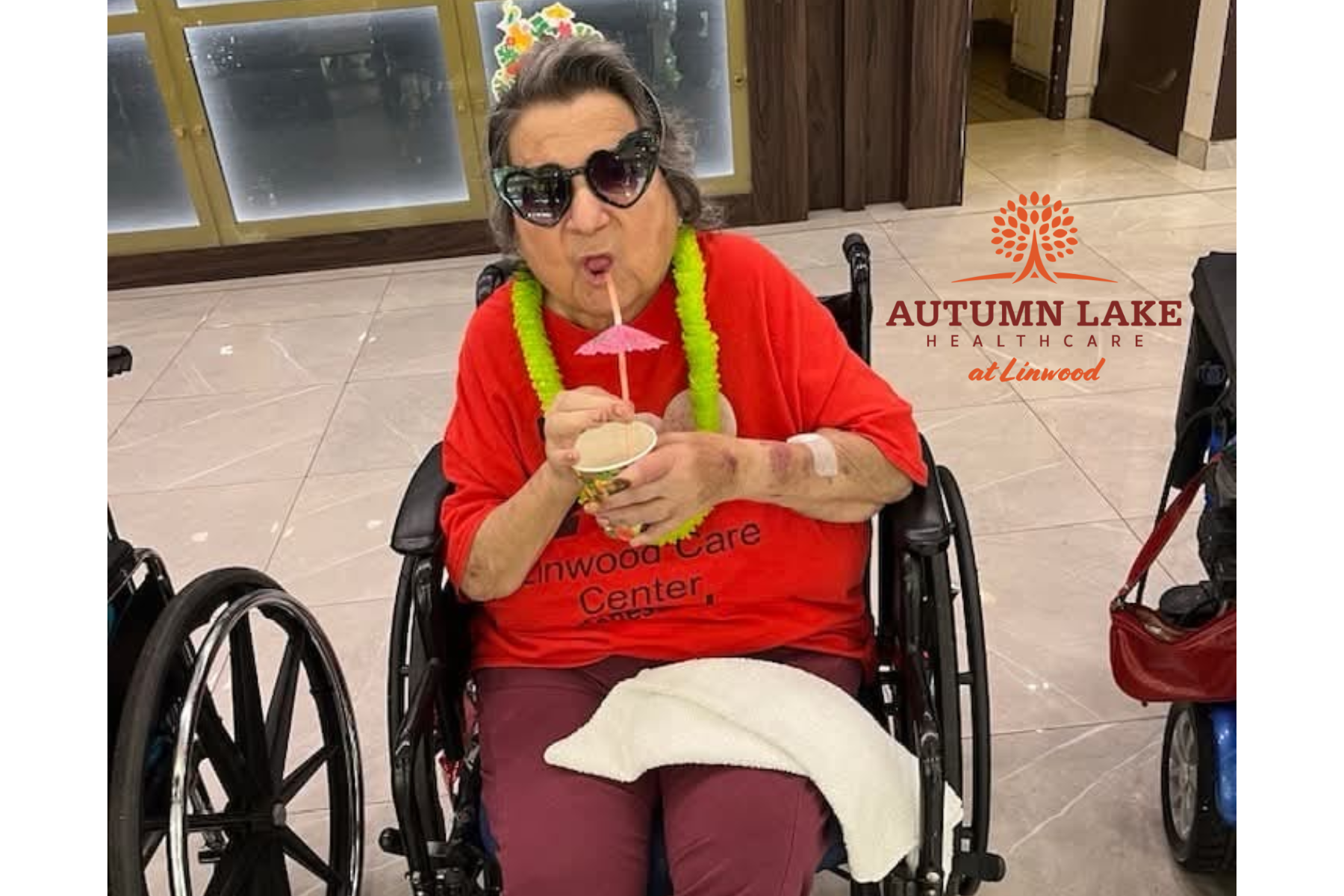
A nursing home resident in a wheelchair wears heart sunglasses and a lei while sipping a festive drink.


Therapeutic Recreation and Social Vitality

Medical health improves when emotional isolation is removed. A vibrant social atmosphere is a hallmark of high-quality assisted living in Linwood, NJ. Our residents have access to a structured calendar of Therapeutic Recreational Activities, including:

  • Active Wellness: Yoga, Tai Chi, Gardening, and Nature Walks.
  • Social Connection: Bingo Mania, Casino Night, Market Days, and Group Outings.
  • Creative & Spiritual: Arts & Crafts, Music & Dancing, and Religious Services.
  • Sensory Care: Spa Days and Sensory Focused Activities designed for cognitive stimulation.

Debunking the Myth: “Medicaid Only Covers the Room and Board”

A common industry misconception is that Medicaid only covers basic “custodial” costs. In reality, Medicaid and various insurance plans are vital tools for accessing skilled medical care. We accept Medicare, Medicaid, most insurances, and private pay, ensuring that residents in Linwood have access to the highest level of nursing care regardless of their complex financial requirements.

Frequently Asked Questions

What is the difference between ADLs and IADLs?

ADLs are basic self-care tasks like bathing. IADLs (Instrumental Activities of Daily Living) are complex tasks like managing finances or grocery shopping.

Does Medicare cover long-term senior living?

Medicare typically covers short-term “skilled” stays for rehabilitation but does not cover long-term custodial care or room and board.

How is “Skilled Nursing” different from “Assisted Living”?

Skilled nursing provides 24/7 medical care by licensed nurses, whereas assisted living focuses on help with ADLs and social support for more independent seniors.

To Sum Up

At Complete Care at Linwood managed by Autumn Lake Healthcare at Linwood, we bridge the gap between intensive clinical recovery and a warm, dignified home environment. Our team is ready to guide your family through the transition from hospital to home, or into a permanent community that values your loved one’s autonomy as much as their health. 

Ready to learn more? Visit us to schedule a tour or speak with our clinical admissions team today.

What Levels of Assistance Are Available at Complete Care at Linwood Managed by Autumn Lake Healthcare at Linwood for Daily Living Needs?

Comprehensive care environments offer a spectrum of support tailored to individual requirements, ranging from minimal assistance with daily tasks to 24/7 skilled nursing and specialized clinical interventions. These levels of care ensure that residents receive the precise balance of independence and medical supervision necessary for their safety, recovery, and long-term wellness.

Navigating the Spectrum of Modern Care

Choosing the right care path is a significant decision that requires a clear understanding of how “assistance” is defined in a clinical setting. Whether a family is seeking a Linwood rehabilitation center for short-term recovery or a permanent residence, the goal is to provide an environment that fosters dignity while addressing complex health needs. Professional support is categorized by the specific physical or cognitive help a person requires to complete a task safely.

In high-quality care settings, assistance is not just about performing tasks for a resident; it is about clinical precision and personalized attention. This holistic approach is why many families seeking senior living, prioritize facilities that can adapt as a resident’s needs evolve. Clinical teams use standardized benchmarks to create care plans that promote as much autonomy as possible while ensuring constant safety.

Levels of Care and Daily Assistance

The following table outlines the standardized ways clinical teams measure and provide support for residents:

Assistance Level Description of Support Typical Use Case
Independent / Setup Caregiver provides verbal cues or sets up supplies (e.g., laying out clothes). Residents who are cognitively alert but have minor physical limitations.
Minimal Assistance Resident performs 75% or more of the task; caregiver provides “contact guard” for balance. Safe mobility, bathing, or navigating the dining area.
Moderate Assistance The resident performs 50–74% of the task; the caregiver provides significant physical help. Transferring from bed to chair or dressing the lower extremities.
Maximal / Total Care The resident performs less than 25%; the caregiver provides full physical support. Complex medical needs, severe mobility issues, or advanced frailty.

Comprehensive Service Offerings

Modern care facilities bridge the gap between hospital discharge and returning home. For those researching nursing home & elder care in Linwood, NJ, it is essential to look for a facility that offers a diverse range of medical and lifestyle services.

1. Activities of Daily Living (ADL) Support

  • Personal Hygiene: Help with bathing, grooming, and dental care to maintain health and self-esteem.
  • Nutritional Support: Assistance with eating or managing specialized therapeutic diets (e.g., low-sodium or cardiac-friendly).
  • Continence Care: Dignified, discreet management of toileting needs to prevent skin breakdown.
  • Dressing: Help with daily outfits, as well as specialized garments like orthotics or compression stockings.

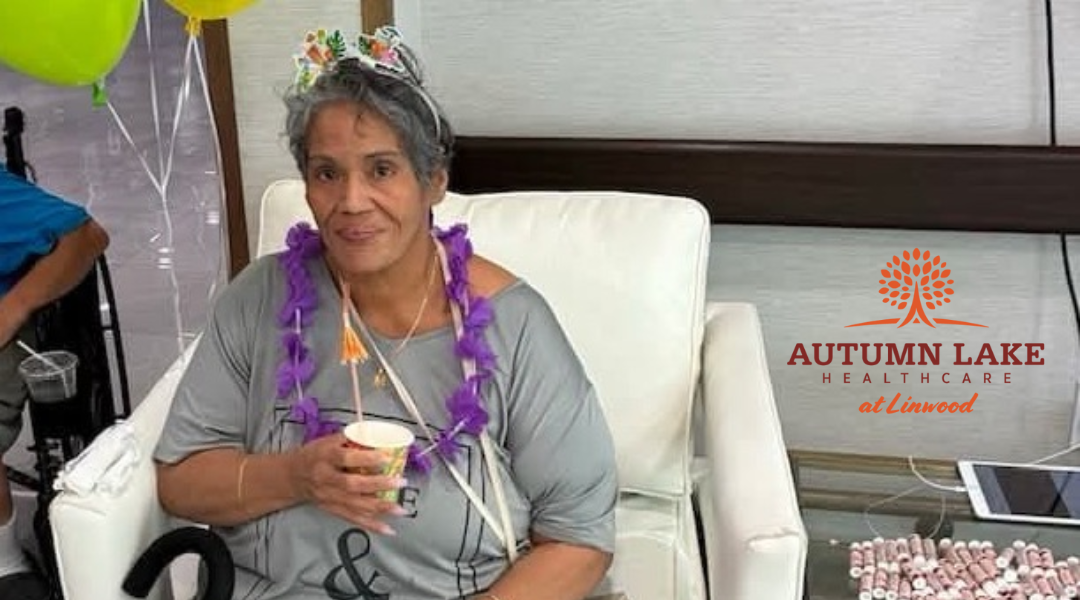
A nursing home resident wearing a purple lei and party headband while enjoying a drink during a facility celebration.


2. Clinical and Specialized Services

Beyond daily chores, many residents require high-level medical intervention. A premier Linwood senior living community will typically offer:

  • Skilled Nursing: Around-the-clock monitoring by Registered Nurses (RNs) and Licensed Practical Nurses (LPNs).
  • Advanced Medical Care: Specialized units for ventilator care and dialysis, ensuring those with chronic respiratory or renal issues receive hospital-grade attention.
  • Memory Care: Secured, specialized environments designed specifically for those navigating Alzheimer’s or dementia.

Our Signature Approach: Small-Town Charm Meets Clinical Excellence

We believe the most effective care happens when top-tier clinical services are delivered within a warm, community-focused lifestyle. Our facility blends the charm of small-town life with advanced medical support, ensuring residents never feel like “patients” in an institution.

Residents enjoy peaceful outdoor courtyards, private rooms, and a vibrant array of activities, from spa days and music & dancing to arts & crafts and group outings. While we offer specialized units for memory care and complex medical needs like ventilator and dialysis care, our senior living in Linwood, NJ provide dedicated long-term and respite care tailored to a wide range of complex medical needs. Residents enjoy a delightful dining experience and can choose to join us in our dining room or to stay in the privacy of their own room.

Debunking the “Hospital Extension” Myth

A common misconception is that skilled nursing facilities are merely sterile, cold extensions of a hospital. Families exploring Linwood assisted living often fear a loss of personal autonomy or a “clinical” lifestyle. In reality, these centers are therapeutic communities focused on holistic wellness. With amenities like on-site pet permission, private dining rooms for family gatherings, and “vacation stays” for respite care, the environment is built to be a home first and a clinic second.

Property Features and Specifications

  • Security: Alarm systems designed to aid in the security of residents with cognitive deficiencies.
  • Connectivity: High-speed Wi-Fi, cable TV, and computer access to keep residents connected to loved ones.
  • Comfort: Fully air-conditioned buildings with individual climate control in private and semi-private rooms.
  • Convenience: On-site laundry, housekeeping, pharmaceutical delivery, and an on-site beauty salon.
  • Accessibility: We accept Medicare, Medicaid, most insurances, and private pay.

Frequently Asked Questions

What is the difference between assisted living and skilled nursing?

Assisted living is for individuals who need help with daily tasks like dressing or medication, but are medically stable. Skilled nursing provides 24/7 medical care for complex conditions or intensive rehabilitation.

Does insurance cover these levels of assistance?

Most comprehensive care facilities accept a variety of payment methods. We accept Medicare, Medicaid, most private insurances, and private pay options to ensure care is accessible to those in the [Service Areas].

Can a resident receive dialysis or ventilator care here?

Yes, specialized units offer advanced clinical care for ventilator and dialysis needs, allowing residents to live in a community setting rather than a hospital.

To Sum Up

Choosing the right level of support is vital for your loved one’s safety and happiness. Whether you are looking for short-term recovery or long-term support, Complete Care at Linwood managed by Autumn Lake Healthcare at Linwood is dedicated to providing a warm, supportive environment that feels like home.

Visit our website to schedule a private tour, explore our beautiful gardens, and meet our clinical team.

How Do Rehabilitation Centers Help with Recovery After Surgery or Injury?

Rehabilitation centers provide a structured, multidisciplinary environment designed to restore physical function, manage pain, and accelerate healing following medical trauma. By integrating specialized therapies, such as physical, occupational, and speech therapy, with 24/7 medical supervision, these facilities bridge the gap between hospital discharge and a safe return to independent living.

The Core Pillars of Post-Surgical Rehabilitation

When a patient undergoes a major procedure, such as a hip replacement or cardiac surgery, the body requires more than just time to heal; it requires active recalibration. A high-quality Linwood nursing home & rehabilitation center offers a level of clinical intensity that is impossible to replicate at home. The primary goal is to prevent complications like blood clots and joint stiffness through “early mobilization,” which significantly reduces the total recovery timeline.

1. Targeted Therapeutic Interventions

Recovery is categorized into three distinct branches, each addressing a unique aspect of human function:

  • Physical Therapy (PT): Focuses on gait training, balance, and strengthening the muscles surrounding a surgical site.
  • Occupational Therapy (OT): Helps patients regain the ability to perform activities of daily living (ADLs), such as dressing or navigating a kitchen safely.
  • Speech and Language Pathology: Essential for those recovering from neurological injuries, addressing swallowing disorders and cognitive communication.

2. Specialized Recovery Equipment

One of the greatest advantages of a professional facility is access to advanced technology. These tools allow for “progressive loading”, the science of putting just enough stress on the body to trigger healing without causing injury.

Equipment Type Primary Benefit Clinical Use Case
Hydrotherapy Pools Uses buoyancy to reduce joint stress Total knee or hip replacements
Electrical Stimulation Prevents muscle wasting Nerve damage or post-stroke recovery
Parallel Bars Provides a fail-safe for walking Relearning balance and stride
CPM Machines Maintains joint flexibility Post-orthopedic surgery

Our Proprietary Approach: The Autumn Sanctuary Protocol

At our facility, we don’t believe clinical excellence should feel clinical. We utilize a proprietary approach known as the Autumn Sanctuary Protocol. This model is built on the philosophy that a resident’s environment directly impacts their biological rate of healing. By blending the charm of small-town life with top-tier medical care, we ensure the spirit stays engaged while the body repairs itself.

The Autumn Sanctuary Protocol integrates peaceful outdoor courtyards, private rooms, and a vibrant array of activities, ranging from spa days and music & dancing to arts & crafts. This isn’t just for entertainment; it is “social medicine” designed to combat the depression and isolation often following major surgery. Furthermore, we provide advanced medical tiers within this supportive atmosphere, including specialized units for memory care and dementia, alongside ventilator and dialysis care for patients with complex medical needs at our rehabilitation center in Linwood, NJ.


A smiling nursing home resident in a wheelchair posing in front of a 4th of July banner and red, white, and blue balloon pillars.


Debunking the “Rest is Best” Myth

A common misconception in the industry is that the best way to recover from an injury is to remain as still as possible to “protect” the surgical site. In reality, inactivity is a leading cause of post-surgical complications. Professional centers use monitored movement to stimulate blood flow, which delivers oxygen and nutrients to healing tissues. During a recent wellness audit for residents in Linwood, NJ, we found that patients who engaged in guided movement within 48 hours of surgery reported significantly higher mobility scores at the six-week mark than those who waited.

Comprehensive Facility Features

When researching assisted living in Linwood, NJ, or a dedicated post-surgical center, the specific amenities determine the quality of the stay. A recovery environment must be safe, accessible, and technologically equipped to handle both physical and emotional needs.

  • Security: Alarm systems to aid in the security of residents with cognitive deficiencies.
  • Connectivity: High-speed Wifi, cable television, and computers to keep patients connected to their families.
  • Personal Comfort: Individual climate control, spacious private and semi-private rooms, and on-site laundry.
  • Wellness & Grooming: An on-site beauty salon/barber services and a fitness room for supervised exercise.
  • Clinical Support: Pharmaceutical delivery services, private hospice rooms, and a smoke-free environment.

Integrating with the South Jersey Community

We are proud to be a staple of the local landscape, conveniently located to serve the surrounding service areas of Atlantic County. Whether you are searching for a high-performing nursing home in Linwood, NJ, or require a “vacation stay” for respite care while a primary caregiver travels, our doors are open. We accept Medicare, Medicaid, most insurances, and private pay, ensuring that professional recovery is accessible to all our neighbors.

Frequently Asked Questions

How does a rehabilitation center differ from a standard nursing home?

While a Linwood nursing home provides long-term residential care, a rehabilitation center is focused on short-term, intensive therapy with the goal of returning the patient to their home environment.

What should I look for in a rehabilitation center?

Prioritize facilities with a high nurse-to-patient ratio, a variety of therapy options (PT, OT, Speech), and amenities that support mental health, such as private bathrooms and wellness programs.

Is post-surgical rehab covered by Medicare?

Yes, Medicare typically covers a stay in a skilled nursing or rehabilitation facility if it follows a qualifying hospital stay and is deemed medically necessary.

To Sum Up

Recovery is a marathon, but you don’t have to run it alone. At Complete Care at Linwood managed by Autumn Lake Healthcare at Linwood, we combine advanced clinical protocols with a warm, community-focused atmosphere. From our concierge services to our private dining rooms for family gatherings, every detail is designed to make your comeback stronger than your setback. Visit our website to schedule a tour or learn more about our specialized recovery programs.

Signs of Quality Care: How to Tell if a Nursing Home is Right for Your Loved One

To identify quality care in a nursing home, prioritize high staff-to-resident ratios, positive resident-staff interactions, and a clean, odor-free environment. Additionally, look for transparent health inspection reports and a robust schedule of person-centered activities that promote social engagement and physical mobility.

Evaluation Criteria for Long-Term Care

Choosing a facility for a family member is a high-stakes decision that requires looking past the lobby aesthetics. When touring various rehab homes in Linwood, it is vital to evaluate the clinical corridors and the daily rhythms of the residents rather than just the furniture. True quality of care is defined by a culture of dignity and clinical precision, ensuring that safety is the baseline and resident happiness is the goal.

The gold standard of care is defined by more than just meeting state minimums. It requires a commitment to the resident’s emotional well-being alongside their physical health. To ensure a facility provides high-quality senior living in Linwood, NJ, the administration should prioritize the following pillars of excellence:

  • Staffing Levels: Presence of Registered Nurses (RNs) and Certified Nursing Assistants (CNAs) during off-peak hours.
  • Clinical Outcomes: Low rates of pressure ulcers, falls, and minimal reliance on unnecessary antipsychotic medications.
  • Resident Autonomy: Real choices regarding meal times, waking hours, and daily recreation.
  • Safety Protocols: Functional emergency call systems and clear, unobstructed evacuation routes.

Comparing Quality Indicators: Good vs. Great

Not all facilities are created equal. While many meet basic licensing requirements, a premier care center in Linwood, NJ, will exceed these to ensure a high quality of life. Use the following table to help distinguish between “standard” and “exceptional” providers.

Indicator Standard Care (Good) Exceptional Care (Great)
Staffing Meets state minimum requirements. Consistently exceeds minimums; low turnover.
Environment Clean and organized. Feels like a home; personalized room decor.
Dining Set menu with one alternative. “Always Available” menu; chef-prepared options.
Engagement Group TV or bingo sessions. Tailored hobbies; community outings; 1-on-1 time.

5 Essential Steps to Verify Quality

  1. Review the CMS Five-Star Ratings: Before visiting any Linwood nursing homes & elder care providers, check the Medicare.gov “Care Compare” tool for a three-year snapshot of health inspections and staffing data.
  2. Observe a Meal Service: Note if residents are assisted promptly and if the food is served at the correct temperature. A dining room filled with conversation is a sign of a healthy social environment.
  3. Interview the Administrator: Ask about the average tenure of the nursing staff and how the facility handles grievances. A transparent administrator indicates a trustworthy facility.
  4. Visit During “Off-Hours”: To get a true sense of operations, visit on a Sunday afternoon or during a shift change. This reveals if the standard of care remains consistent without the primary management team present.
  5. Speak with Current Families: If you see a visitor in the hallway, ask about their experience. Most families provide honest insights into the day-to-day reality of the care provided.


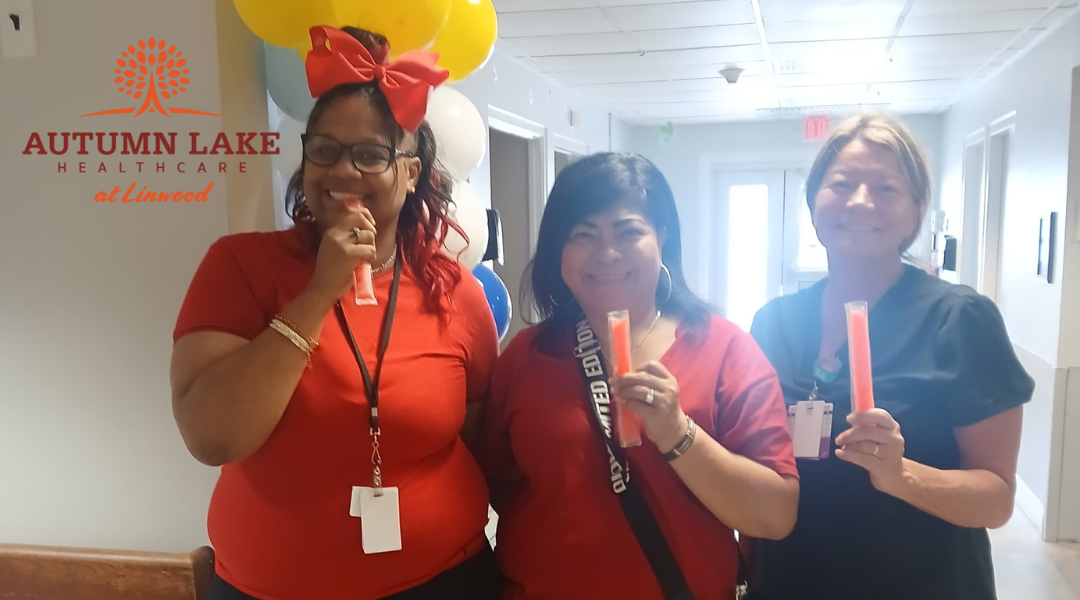
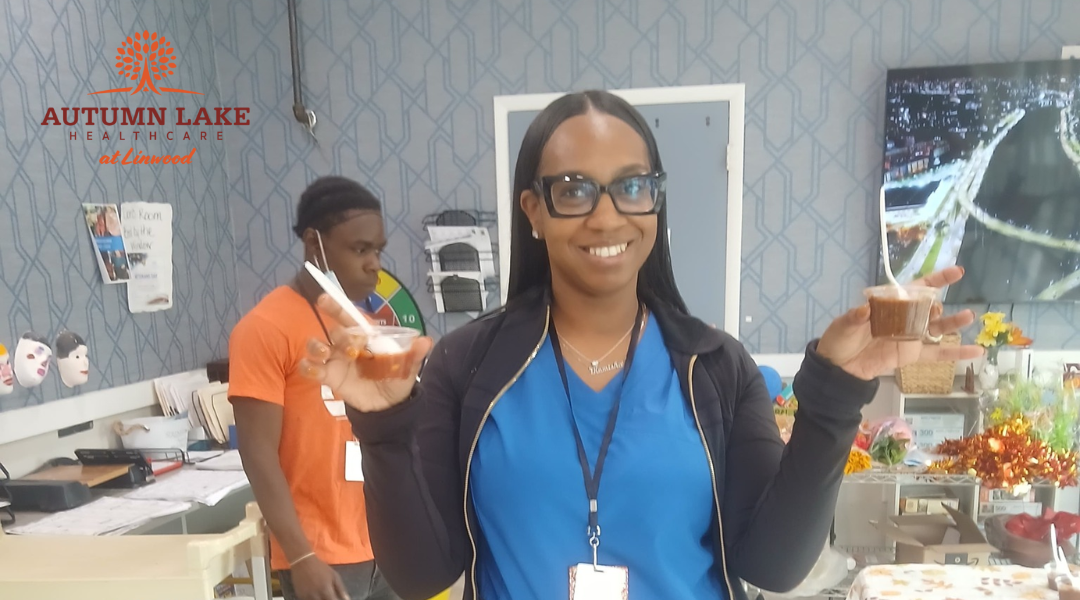
A smiling nursing home staff member in blue scrubs holding two small dessert cups during a facility event.


Applying the “Boutique-Clinical” Harmony to Your Search

We utilize a proprietary approach to care called “Boutique-Clinical” Harmony. This philosophy recognizes that medical excellence must be paired with a lifestyle that feels personal and dignified. We believe that a rehab in Linwood, NJ, should offer more than just physical therapy; it should offer a restoration of spirit.

The Living Environment

Our facility blends the charm of small-town life with top-tier clinical care. Residents enjoy peaceful outdoor courtyards, private rooms, and a vibrant array of activities, from spa days and music & dancing to arts & crafts and group outings. We maintain an alarm system to aid in the security of residents with cognitive deficiencies, ensuring safety without sacrificing comfort. Our beautiful courtyards and gardens provide a serene backdrop for recovery.

Specialized Medical Services

We provide specialized units for memory care and dementia, as well as advanced services like ventilator and dialysis care. Whether a loved one needs long-term care or a respite stay, our services are tailored to a wide range of complex medical needs. We provide dedicated care for complex medical conditions while ensuring a delightful dining experience; residents can choose to join us in our dining room or stay in the privacy of their own room.

Amenities and Lifestyle

  • Technology: Wifi, cable television, and a computer with internet access.
  • Personal Services: On-site beauty salon, concierge, and laundry facilities.
  • Private Spaces: Private and semi-private rooms with individual climate control and private bathrooms.
  • Wellness: Fitness room, wellness programs, and a smoke-free environment.

We accept Medicare, Medicaid, most insurances, and private pay, making high-quality care accessible throughout our service areas.

Debunking the “Hospital-Clean” Myth

A common industry misconception is that a nursing home should look and smell like a sterile hospital. This is a dangerous myth. An overpowering scent of cleaning chemicals is often used to mask poor ventilation or hygiene issues. A high-quality home should have a “social model” of care. It should smell like home-cooked meals or fresh air, and it should feel lived-in and warm. Clinical excellence is the foundation, but the atmosphere should be one of comfort and community.

Nursing Home Feature Specifications

  • Direct Care Hours: The actual time a nurse or aide spends with a single resident per day.
  • Turnover Rate: The percentage of staff who leave annually; lower turnover ensures better continuity of care.
  • Deficiency Count: The number of citations received during the most recent state survey.
  • Pet Policy: Pets are permitted in our facility, as they often improve resident satisfaction.
  • Ancillary Services: Availability of on-site pharmaceutical delivery, mail, and newspaper services.

Frequently Asked Questions

How do I find a nursing home’s inspection reports?

Reports are public record. You can find them on the Medicare “Care Compare” website or request to see the most recent survey binder at the facility’s front desk.

What is a “Good” staff-to-resident ratio?

While ratios vary by state, a high-quality facility typically maintains a ratio of 1 CNA to every 5–8 residents during the day. During a recent audit for a firm in Linwood, NJ, we found that consistent staffing is the primary predictor of resident safety.

Can a facility refuse a resident based on care needs?

Yes. If a facility cannot safely provide the specific medical equipment or specialized nursing required (such as certain ventilator or dialysis needs), they are required to deny admission for the patient’s safety.

To Sum Up

Finding the right nursing home is about finding the balance between clinical expertise and a supportive environment. By focusing on staffing, interaction, cleanliness, and transparency, you can make an informed choice. At Complete Care at Linwood managed by Autumn Lake Healthcare at Linwood, we are proud to serve our community with advanced medical services and heart-centered care. Discover a higher standard of care. Visit us online to schedule a tour or learn more about our specialized services.

Creating a Home-like Atmosphere at Autumn Lake Linwood: How We Make Every Resident Feel Welcome

To create a home-like atmosphere, senior care facilities must prioritize personal autonomy, environmental comfort, and deep emotional connections between staff and residents. By blending high-level clinical services with residential amenities, such as private rooms, flexible dining, and personalized décor, a facility transforms from a clinical institution into a true community where every individual feels welcomed and valued.

The Evolution of Resident-Centered Care

For decades, the transition to long-term care was viewed through a purely medical lens, often ignoring the emotional toll of leaving a private residence. Modern care models have shifted toward a holistic approach where the “feeling” of a space is as vital as the floor plan. A home-like atmosphere is built on the assurance that a morning coffee is served to preference and that a favorite armchair has a dedicated place in a new room.

When families research nursing homes in Linwood, NJ, they often prioritize clinical ratings but ultimately choose a facility based on the “heart” of the home. Clinical excellence provides the foundation, but residential elements provide the quality of life. This shift involves moving away from a sterile hospital aesthetic toward a neighborhood feel, where hallways are defined by the sound of music rather than the hum of industrial machinery.

5 Pillars of a Welcoming Healthcare Environment

Creating an authentic residential feel requires a strategic commitment to five core pillars. These pillars ensure that the facility functions as a residence first and a medical center second.

  1. Environmental Personalization: Residents are encouraged to bring their own furniture, photographs, and heirlooms to make their suites an extension of their past lives.
  2. Autonomous Dining: Moving away from rigid meal times allows residents to choose when and where they eat, whether in a social dining room or the privacy of their own suite.
  3. Consistent Staffing: When the same caregivers work with the same residents daily, they move past “tasks” and into genuine “relationships.”
  4. Sensory Comfort: Utilizing individual climate control and quiet zones reduces the institutional noise of overhead paging systems.
  5. Community Connection: Ensuring the facility remains a part of the local town through local newspaper delivery, garden access, and family gatherings.

For those seeking a rehabilitation center in Linwood, NJ, these pillars are essential for maintaining dignity during recovery. During a recent audit for a firm in the nearby Gold Coast area, we found that residents who feel “at home” consistently show higher participation rates in their physical therapy sessions.

Comparing the Institutional Model vs. The Home-Like Model

Feature The Institutional Model Our Home-Like Model
Schedule Fixed (6 AM vitals, 5 PM dinner) Flexible (Based on resident’s habit)
Privacy Open doors, shared storage Private bathrooms, individual closets
Atmosphere Fluorescent lights, linoleum Soft lighting, courtyards, and lounges
Communication Clinical updates only Collaborative wellness planning
Dining Set menu, tray service Variety of selections, social dining

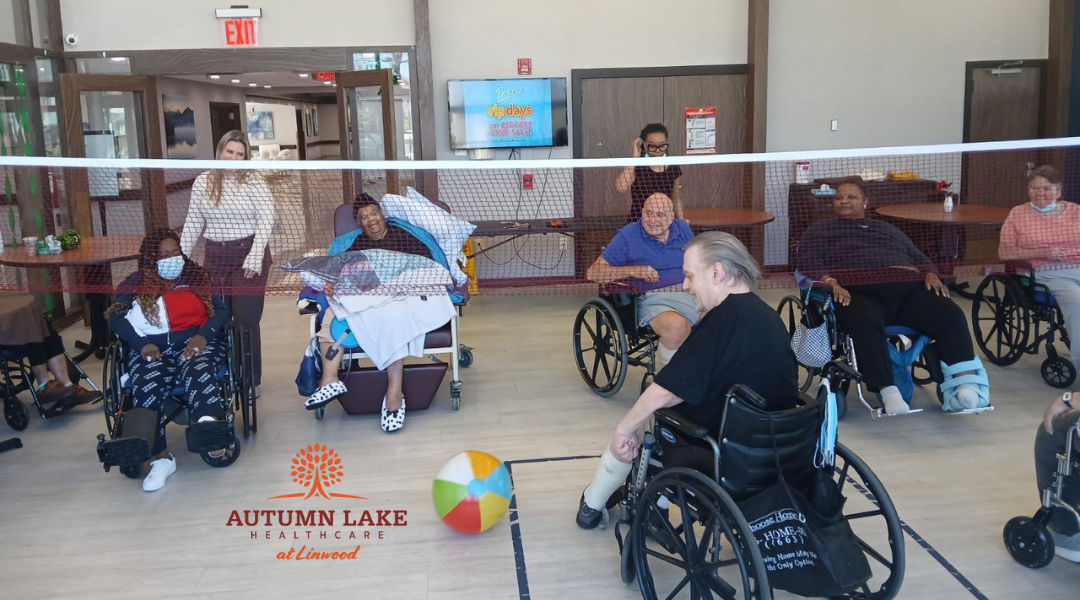
Senior living residents in wheelchairs playing a game of indoor volleyball with a beach ball.

Our Secret Language: The “Neighborhood Hybrid” Philosophy

We utilize a proprietary approach where our facility blends the charm of small-town life with top-tier clinical care. This “Neighborhood Hybrid” philosophy recognizes that a resident’s needs are two-fold: they require the safety of a high-tech medical environment and the comfort of a familiar community.

Residents enjoy peaceful outdoor courtyards, private rooms, and a vibrant array of activities—from spa days and music & dancing to arts & crafts and group outings. We offer specialized units for memory care and dementia, as well as advanced services like ventilator and dialysis care. This allows us to provide dedicated long-term and respite care tailored to a wide range of complex medical needs without sacrificing the “small-town” feel. This is a vital distinction for families looking for a nursing home and rehabilitation center in Linwood, NJ, who want specialized medical intervention in a setting that still feels like a local neighborhood.

Debunking the “Clinical vs. Comfortable” Myth

The Misconception: A facility cannot provide complex medical care, like ventilator or memory care, while maintaining a cozy, home-like environment.

The Reality: Clinical excellence and comfort are not competing interests. In fact, advanced medical care is enhanced by a low-stress environment. Advanced security systems for memory care, for example, can be integrated into the architecture so they provide safety without making the resident feel “locked in.”

This balance is particularly important for those exploring assisted living in Linwood, NJ. Our facility uses an alarm system to aid in the security of residents with cognitive deficiencies, but we pair it with spacious, sun-lit rooms and comfortable common areas for socializing. Safety is a quiet, underlying feature that allows the resident’s personality to remain the focal point.

Amenities That Bridge the Gap

A home-like atmosphere is built through the details that mirror a resident’s previous lifestyle. It is the ability to have a pet visit, the convenience of a pharmaceutical delivery service, and the luxury of an on-site barber. These aren’t “perks”, they are the threads that weave a normal life.

With Wi-Fi, cable television, and computers with internet access, residents stay connected to the world outside, making the transition from a house in a local South Jersey neighborhood feel seamless. On-site laundry, housekeeping, and mail services take the “chores” out of daily life, allowing residents to focus on their recovery and social connections. This level of detail is a hallmark of premium Linwood assisted living.

Frequently Asked Questions

How can I make my loved one’s room feel more like home?

We encourage families to bring familiar items such as bedspreads, framed photos, or a favorite lamp. These sensory cues are vital for emotional grounding.

Can residents choose their own meals?

Yes. Residents enjoy a delightful dining experience and can choose to join us in our dining room or to stay in the privacy of their own room.

Are pets allowed to visit?

Absolutely. We recognize that pets are family. As long as they are leashed and vaccinated, we welcome furry visitors to our beautiful courtyards and gardens.

What insurance is accepted?

We accept Medicare, Medicaid, most insurances, and private pay to ensure the financial transition is as smooth as possible.

To Sum Up

Choosing the right path for care is a significant journey. At Autumn Lake Healthcare at Linwood, we invite you to see firsthand how we blend professional clinical excellence with the genuine warmth of home. Whether you are seeking short-term rehabilitation or long-term care, our doors are open to provide the comfort, security, and dignity you deserve.

Ready to see the difference? Schedule a tour today and discover why our residents are proud to call us home.

Protecting What Matters Most: Fall Prevention and Safety Protocols at Autumn Lake Linwood

Fall prevention in senior care requires a multi-layered approach involving comprehensive risk assessments, environmental modifications, and consistent staff training. By implementing personalized mobility plans and utilizing assistive technologies, facilities can significantly reduce fall incidents, ensuring a safer, more supportive environment that prioritizes resident independence and long-term physical health.

Proactive Safety Standards in Senior Living

Ensuring the safety of seniors is about building an infrastructure that identifies risks before an accident occurs. High-quality care environments prioritize physical well-being by addressing the root causes of instability, such as muscle atrophy or medication side effects. This commitment to excellence is what distinguishes the most reputable rehab homes in Linwood, where clinical expertise meets a person-centered environment designed to minimize hazards.

Comparing Traditional Safety vs. Modern Proactive Standards

To truly protect residents, a facility must evolve beyond reactive care. The following table highlights how modern safety protocols differ from outdated methods.

Safety Category Traditional Approach Modern Proactive Standard
Assessment One-time intake evaluation. Dynamic, scheduled quarterly reviews and post-incident analysis.
Technology Standard wall-mounted call buttons. Integrated alarm systems to aid in the security of residents with cognitive deficiencies.
Environment Removing visible clutter or spills. Systematic lighting, non-slip flooring, and individual climate control.
Response Incident-based reporting. Predictive analysis of “near-misses” and gait changes.

Leading nursing homes in Linwood understand that a static plan is ineffective. Safety must be a living part of the daily routine, constantly adjusted as a resident’s health and mobility levels fluctuate.

5 Essential Steps for Enhancing Resident Mobility

Implementing a structured, science-backed protocol ensures consistent results. Whether a resident is staying for short-term recovery or long-term support, these five pillars form the foundation of a robust safety strategy.

  1. Frequent Gait and Balance Screenings: Staff shouldn’t wait for a stumble to take action. Regular screenings help identify subtle shifts in a resident’s center of gravity.
  2. Medication Management: A clinical team must work in tandem to review prescriptions, minimizing side effects like dizziness or orthostatic hypotension that often lead to falls.
  3. Environmental Visual Cues: Utilizing high-contrast colors on floor transitions and ensuring all areas, from private rooms to outdoor courtyards, are well-lit and accessible.
  4. Proactive Rounding: Many falls occur during unassisted trips to the bathroom. Implementing “comfort rounds” ensures residents have help before they attempt to move alone.
  5. Staff Competency Training: Every team member should be trained in the latest transfer techniques, ensuring that whether a resident is moving to the fitness room or the dining area, they are supported by expert hands.

When families seek out rehab care in Linwood, NJ, they look for this level of rigorous attention to detail. It is the functional difference between a facility that simply houses seniors and one that actively protects their vitality.


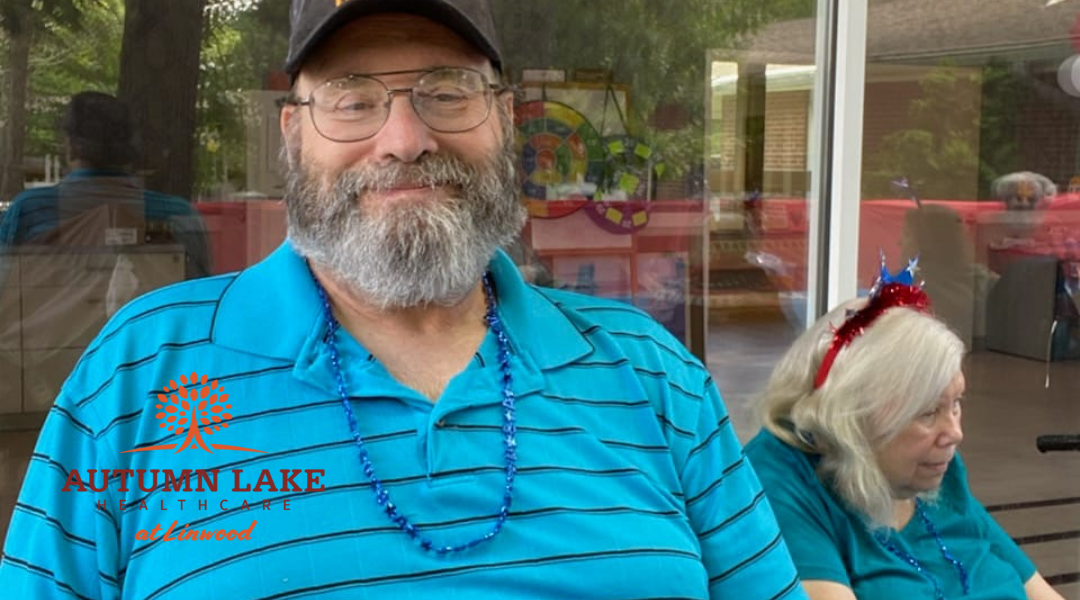
A senior living resident with a beard and glasses smiling while wearing a blue striped shirt and beads.


Debunking the Myth: “Restraints Increase Resident Safety”

A common industry misconception is that physical or chemical restraints are an effective way to prevent falls. In reality, the opposite is true. Research shows that restraints lead to muscle atrophy, increased agitation, and more severe injuries if a resident attempts to move while restrained.

The most progressive Linwood rehab care providers favor “Least Restrictive Environments.” This philosophy focuses on strengthening the resident’s body through wellness programs and modifying the surroundings to be intuitively safe. By allowing for freedom of movement within a secure, alarmed environment, facilities preserve dignity while reducing the risk of serious injury.

Our “Boutique Clinical” Method

We solve the challenge of resident safety through our proprietary Boutique Clinical approach. This method blends the charm of small-town life with top-tier clinical care, ensuring that safety protocols never feel clinical or cold. By creating a vibrant, home-like atmosphere, we reduce the stress and agitation that often lead to high-risk movements.

How the Boutique Clinical Method Works:

  • Active Engagement: Residents enjoy a vibrant array of activities, from spa days and music & dancing to arts & crafts and group outings. Active residents maintain the muscle tone and cognitive alertness necessary to prevent falls.
  • Specialized Clinical Units: We provide specialized units for memory care and dementia, as well as advanced services like ventilator and dialysis care. These units feature private bathrooms and spacious rooms designed to accommodate medical equipment without creating trip hazards.
  • Environmental Comfort: Safety is enhanced by private and semi-private rooms with individual climate control. When a resident is comfortable, they are less likely to experience “sundowning” or the restlessness that leads to unassisted wandering.
  • Social & Personal Wellness: With amenities like an on-site beauty salon, concierge services, and even permitted pets, we create a low-stress environment. Residents who feel “at home” are more likely to engage with their wellness programs and follow safety guidance.

During a recent audit for a firm specializing in Linwood nursing homes & elder care, it was noted that environments prioritizing social wellness alongside clinical safety see a marked decrease in incident reports. Our approach ensures residents have access to a computer with internet, wifi, and cable television, keeping them connected and mentally sharp.

Comprehensive Amenities for a Safer Life

Our commitment to safety extends to every corner of our smoke-free environment. We offer:

  • Fitness Room: Dedicated to maintaining strength and balance.
  • Housekeeping: Ensuring floors are dry and pathways are clear of debris.
  • Security: Advanced alarm systems to protect residents with cognitive deficiencies.
  • Dining Options: A delightful dining experience with variety in menu selections, ensuring residents maintain the strength and hydration needed for stability.

Frequently Asked Questions

What are the most common causes of falls in nursing homes?

Common causes include muscle weakness, environmental hazards like poor lighting, medication side effects, and improper use of walking aids.

How often should a fall risk assessment be performed?

Assessments should be performed upon admission, quarterly, whenever there is a significant change in physical status, and immediately following any fall.

Can exercise prevent falls in the elderly?

Yes. Focused wellness programs that improve balance, core strength, and flexibility are among the most effective ways to reduce fall risk.

To Sum Up

At Autumn Lake Healthcare at Linwood, we provide dedicated long-term and respite care tailored to a wide range of complex medical needs. Our facility accepts Medicare, Medicaid, most insurances, and private pay, ensuring that top-tier safety is accessible to our community.

Would you like to see our safety protocols in person? Schedule a Tour Today!

Why Your Unique Recovery Needs Matter: Tailoring Short‑Term Rehab Plans to Fit You

Short-term rehab plans must be tailored to your unique recovery needs because individualized care accounts for specific medical histories, personal goals, and biological responses that “one-size-fits-all” programs overlook. By customizing physical therapy, nursing care, and discharge timelines, patients experience significantly lower hospital readmission rates and a faster, more sustainable return to independent living.

Recovery is rarely a linear path. When a patient transitions from a hospital stay to a specialized facility, the quality of the “bridge” between the two determines their long-term health trajectory. A standardized protocol might help a patient meet basic mobility benchmarks, but it often fails to address the nuances of a person’s lifestyle, such as the ability to navigate a specific home layout or manage a complex medication schedule independently. This is why a top-tier rehabilitation center in Linwood, NJ, begins the process with a deep clinical assessment that looks beyond the primary diagnosis to identify comorbidities that might impact healing.

Beyond One-Size-Fits-All: The Components of Tailored Care

Clinical assessments are only the first step in a truly custom plan. Goal-oriented therapy must align with your actual daily life; for example, if a resident lives in one of the coastal neighborhoods, their rehab plan must prioritize stair-climbing and balance over flat-surface walking. Whether you are recovering from a joint replacement, a cardiac event, or a respiratory illness, your body requires a strategy that evolves based on your daily progress. This personalization transforms a clinical requirement into a personal success story.

Comparing Standard vs. Tailored Rehab Models

Feature Standard “Protocol” Rehab Tailored Short-Term Rehab
Therapy Schedule Fixed blocks (e.g., 60 mins/day) Dynamic based on daily energy levels
Success Metrics Meeting general mobility benchmarks Achieving personal “Life Goals”
Care Team General rotation of staff Dedicated multidisciplinary specialists
Discharge Plan Based on average recovery times Based on home-readiness assessments

As the table illustrates, the difference lies in clinical flexibility. A tailored approach acknowledges that a patient might have high energy on Tuesday but require restorative, low-impact care on Wednesday. This level of adaptability is what defines the best nursing homes in Linwood, NJ, ensuring that the patient is never pushed too hard or held back by rigid, outdated scheduling.

5 Steps to Personalizing Your Recovery Journey

  1. Comprehensive Baseline Evaluation: A deep dive into pre-injury health and nutritional status.
  2. Collaborative Goal Setting: A meeting between the patient, family, and therapists to define “success.”
  3. Adaptive Modification: Daily adjustments to therapy intensity based on real-time biofeedback.
  4. Psychosocial Support: Addressing the mental hurdles of recovery and providing cognitive encouragement.
  5. Environmental Simulation: Practicing tasks in settings that mimic your actual home environment.

During a recent audit for a healthcare group in a nearby neighborhood, it was found that patients who utilized these five steps reported significantly higher confidence levels regarding their physical readiness to return home. We prioritize your long-term safety, using our on-site pharmaceutical delivery and private hospice rooms to ensure every stage of care is covered with dignity and medical precision. This comprehensive oversight is a hallmark of a quality nursing home and rehabilitation center in Linwood, NJ.


A senior care resident in a wheelchair enjoying a tropical drink and wearing festive heart-shaped sunglasses.


The Autumn Lake Edge: Small-Town Charm, Top-Tier Care

We solve the problem of clinical stagnation by ensuring our facility blends the charm of small-town life with top-tier clinical care. Residents enjoy peaceful outdoor courtyards, private rooms, and a vibrant array of activities, from spa days and music & dancing to arts & crafts and group outings. We offer specialized units for memory care and dementia, as well as advanced services like ventilator and dialysis care, providing dedicated long-term and respite care tailored to a wide range of complex medical needs.

This specialized approach prioritizes a delightful dining experience. Residents can choose to join us in our dining room or stay in the privacy of their own room. Our facility is designed to feel like a home, featuring an activities room, alarm systems for cognitive security, beautiful gardens, and full Wi-Fi and cable access to keep you connected to the outside world.

Our infrastructure supports total wellness through an on-site fitness room, a beauty salon, and a concierge service that handles the logistics of your stay. Because we believe in a holistic environment, pets are permitted, and we offer a completely smoke-free campus. We accept Medicare, Medicaid, most insurances, and private pay to ensure the community has access to these premium amenities and high-acuity medical services.

Debunking the “Faster is Always Better” Myth

A common industry misconception is that the “best” short-term rehab is the one with the shortest stay. While efficiency matters, speed should never come at the expense of physical stability. In the world of assisted living in Linwood, we frequently see seniors who were rushed through a standard rehab protocol elsewhere, only to suffer a setback because they hadn’t truly mastered functional independence.

The truth is that a tailored plan focuses on sustainability over speed. It is far better to spend a few extra days in a controlled environment perfecting your balance than to return home prematurely and risk a hospital readmission. By emphasizing quality over a quick exit, we ensure our patients have the strength to remain independent long after they leave our care. Quality care is the standard at every reputable nursing home in Linwood, NJ.

Frequently Asked Questions

  • How long does a typical short-term rehab stay last?
    While the average stay is 20 to 30 days, your timeline is based entirely on your personal progress and the complexity of your medical needs.
  • Will my insurance cover personalized rehabilitation?
    Most major providers, including Medicare and Medicaid, cover short-term rehab if it is deemed medically necessary after a hospital stay.
  • What happens if I’m not ready to go home after my stay?
    We offer vacation stays and respite care, as well as long-term care options, if your recovery requires extended professional support.

To Sum Up

At Autumn Lake Healthcare at Linwood, we are committed to providing an unparalleled level of care that prioritizes your unique journey. Our facility is designed to be a sanctuary of healing, where advanced clinical services meet the warmth of community. We invite you to discover how our tailored plans can make all the difference for yourself or a loved one.

Ready to start your journey to wellness?

Visit us to schedule a tour or learn more about our specialized recovery programs.