The primary clinical difference between a Skilled Nursing Facility (SNF) and an Inpatient Rehabilitation Facility (IRF) is the intensity of medical oversight and therapy requirements. While an IRF requires patients to participate in three hours of intensive therapy daily under frequent physician supervision, a SNF provides a lower-intensity environment focused on skilled nursing care and steady functional recovery.
The Critical Threshold of Medical Necessity
When a patient prepares for discharge from an acute care hospital, the transition team must determine the most effective post-acute path based on “rehabilitative potential.” An Inpatient Rehabilitation Facility (IRF) is designed for those with high medical complexity who can physically tolerate a high-load therapeutic environment. Conversely, a nursing home and rehabilitation center in Linwood, NJ, is structured for patients who are medically stable but require daily professional nursing interventions.
Clinical Intensity and Regulatory Requirements
The Centers for Medicare & Medicaid Services (CMS) maintains strict guardrails to ensure patients are placed in the correct environment. These benchmarks are essential for discharge planners and families navigating the healthcare landscape.
Key Performance Indicators for Admission
- The Three-Hour Rule: IRF care requires a patient to complete at least 3 hours of therapy per day. If a patient is too fatigued or medically fragile to meet this quota, an SNF is the appropriate clinical alternative.
- Physician Oversight: IRF patients require a minimum of three face-to-face physician visits per week. In an SNF setting, federal regulations require a physician visit once every 30 days for the first 90 days of the stay.
- Multidisciplinary Team Coordination: IRFs are required to hold weekly interdisciplinary team meetings to discuss progress. While SNFs use a team-based approach, the frequency is typically dictated by the individual’s care plan.
During a recent consultation for a family seeking senior living in Linwood, NJ, our team noted that many residents find the SNF environment more conducive to healing because it allows for a measured pace that prevents burnout.
Side-by-Side Comparison: SNF vs. IRF
The following table highlights the operational and clinical differences that define these two levels of care.
| Feature | Skilled Nursing Facility (SNF) | Inpatient Rehab Facility (IRF) |
| Therapy Intensity | 1–2 hours per day; adaptable pace. | Strict 3-hour daily minimum. |
| Medical Stability | Clinically stable; needs nursing/wound care. | Acutely ill; requires active management. |
| Average Stay | 20 to 100 days (based on benefit). | 10 to 20 days (fast-paced). |
| Nursing Focus | Chronic disease management/ADL support. | Acute rehabilitative nursing. |
Debunking the “Hospital-Lite” Myth
A common industry misconception suggests that an IRF is simply a more “luxurious” version of a nursing home. In reality, the IRF is a high-acuity hospital setting with specific diagnostic requirements.
The Myth: Any patient who is “too weak to go home” after a surgery belongs in an IRF.
The Reality: IRF admission is governed by the “60% Rule,” requiring that 60% of patients have one of 13 specific diagnoses, such as stroke or spinal cord injury. If a patient is recovering from a standard hip replacement without significant complications, a rehabilitation center in Linwood provides the necessary skilled intervention without the prohibitive physical strain of an IRF.
Specialized Care: Beyond the Basics
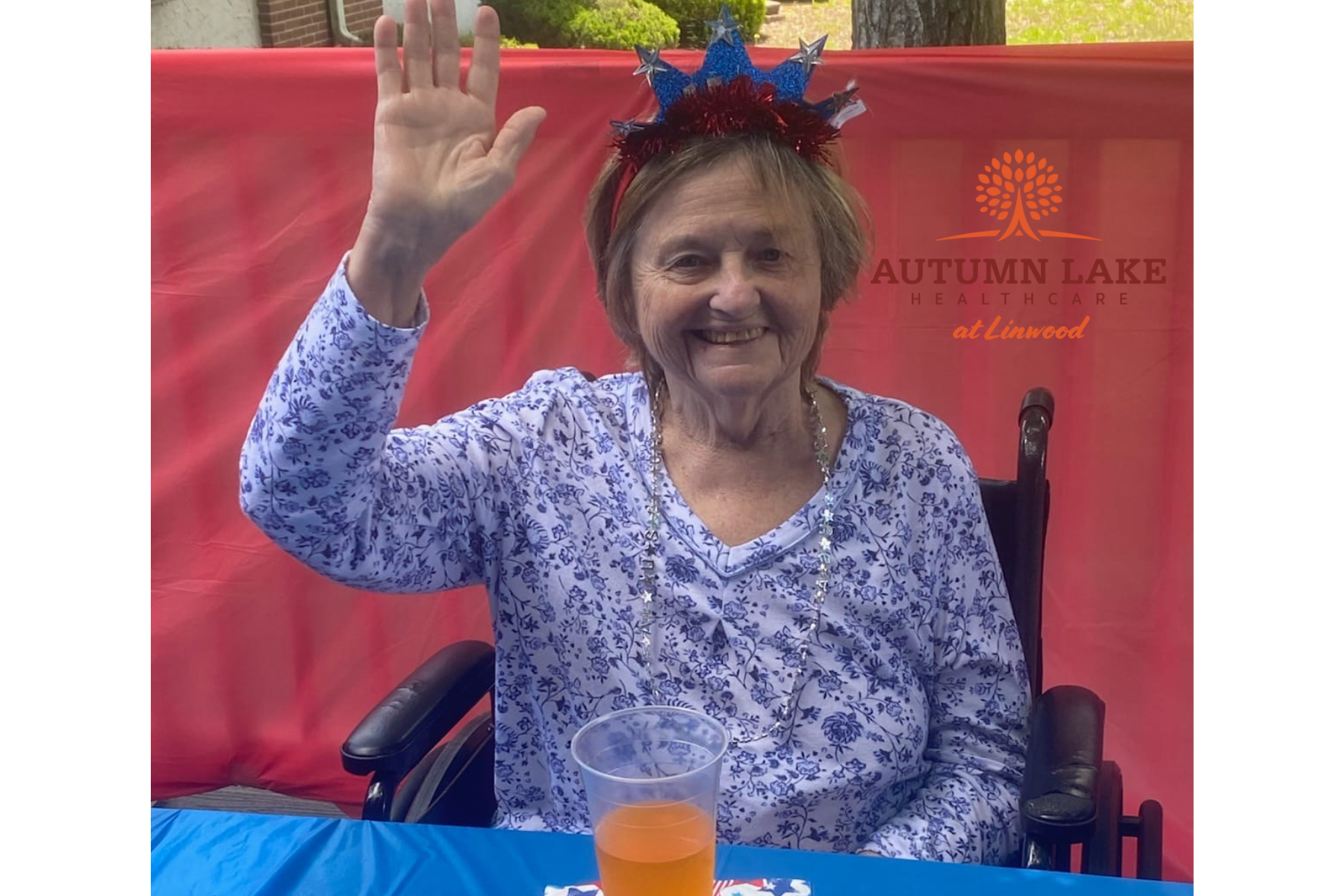
We offer specialized units for memory care and dementia, as well as advanced services like ventilator and dialysis care. We provide dedicated long-term and respite care tailored to a wide range of complex medical needs. Our facility features an alarm system to aid in the security of residents with cognitive deficiencies, alongside beautiful courtyards and gardens for a peaceful recovery.
Residents enjoy private and semi-private rooms with individual climate control, in-room dining options, and a variety of menu selections. For those seeking assisted living in Linwood, we offer a concierge, on-site beauty salon, and wellness programs to ensure a high quality of life. We accept Medicare, Medicaid, most insurances, and private pay to ensure our services remain accessible.
Determining the Right Placement
When to Choose an IRF
Choose an IRF if the patient is medically unstable enough to require a doctor’s eyes every other day, but physically strong enough to endure three hours of intense exercise. This is common for younger stroke victims or patients with sudden neurological injuries.
When to Choose an SNF
Choose a nursing home in Linwood, NJ, if the patient needs daily skilled nursing, such as IV medications or sterile dressing changes, but cannot tolerate high-intensity sessions. This “bridge” allows for a slower, safer return to independent living.
Frequently Asked Questions
What is the most common reason for an SNF denial?
The most common reason is a lack of “skilled need.” If a patient only requires custodial care (help with eating or walking) rather than nursing or therapy, Medicare may not cover the stay.
Can a patient move from an IRF to an SNF?
Yes. Often, a patient will spend 10 days in an IRF for intensive therapy but still requires professional nursing before going home. They can then step down to an SNF for continued recovery.
Is an IRF more expensive than an SNF?
Yes. Due to the high ratio of physicians and therapists, the daily cost of an IRF is significantly higher, which is why insurance companies have rigorous medical necessity checks for placement.
To Sum Up
Choosing the right facility is the most important decision in the recovery journey. At Autumn Lake Healthcare at Linwood, we combine high-level clinical expertise with the warmth of a community-focused environment. From our private dining rooms for family gatherings to our advanced ventilator care, we are equipped to handle your family’s most complex needs.
Schedule a tour today and learn more about our services and facility!
Visit us to explore our wellness programs or call our concierge to discuss your specific clinical requirements. We don’t just provide care, we provide a community where healing happens.