What You Need to Know About Assessing Readiness for Long-Term Living After Short-Term Care

To assess readiness for long-term living after short-term care, one must evaluate clinical stability, functional independence in activities of daily living (ADLs), and cognitive safety. Readiness is confirmed when a patient no longer requires daily skilled nursing or intensive therapy but needs ongoing, structured support for chronic needs or permanent residency.

Key Clinical and Functional Readiness Indicators

The transition from a rehabilitative setting to a permanent residence marks the shift from active recovery to long-term quality of life. This process requires a data-driven look at whether an individual can thrive without the constant oversight of an acute medical team. Families must look beyond simple recovery milestones to determine if a senior is prepared for the daily routine of rehab homes in Linwood.

Clinical vs. Functional Benchmarks

Indicator Category Short-Term Care Requirement Long-Term Care Readiness
Medical Stability Frequent vitals monitoring; IV meds. Stable vitals; transition to oral meds.
Wound Care Daily professional debridement. Healing stage; routine monitoring.
Therapy Needs 3+ hours of intensive rehab per day. Maintenance-level or restorative care.
Cognitive Status Acute delirium or post-surgical confusion. Baseline cognition or managed dementia.

5 Essential Functional Milestones

When evaluating a candidate for rehab in Linwood, NJ, clinicians focus on five specific physical benchmarks:

  1. Transfer Ability: Moving from a bed to a chair with minimal assistance.
  2. Medication Adherence: A stable protocol for taking oral medications as scheduled.
  3. Continence Management: A sustainable plan for toileting or assistive device care.
  4. Nutritional Intake: The ability to feed oneself or safely swallow a prescribed diet.
  5. Safety Awareness: Recognizing physical hazards and utilizing call systems effectively.

The “Boutique Clinical” Framework: Our Signature Approach

We believe that medical excellence should not feel institutional. To solve the challenge of long-term transition, we utilize a proprietary model where our facility blends the charm of small-town life with top-tier clinical care. Residents enjoy peaceful outdoor courtyards, private rooms, and a vibrant array of activities, from spa days and music & dancing to arts & crafts and group outings.

We provide dedicated long-term and respite care tailored to a wide range of complex medical needs. This includes specialized units for memory care and dementia, as well as advanced services like ventilator and dialysis care. During a recent care coordination for a family in the Linwood, NJ neighborhood, we demonstrated how these specialized services allow for a “soft landing” into permanent residency.

Our residents experience a delightful dining experience and can choose to join us in our dining room or to stay in the privacy of their own room. The environment is supported by a comprehensive suite of amenities:

  • Safety: Alarm systems to aid in the security of residents with cognitive deficiencies.
  • Comfort: Individual climate control, Wi-Fi, cable television, and spacious rooms.
  • Convenience: On-site beauty salon/barber, laundry facility, and pharmaceutical delivery.
  • Support: A dedicated concierge, wellness programs, and private hospice rooms.

We accept Medicare, Medicaid, most insurances, and private pay to ensure these services remain accessible for those seeking assisted living in Linwood, NJ.


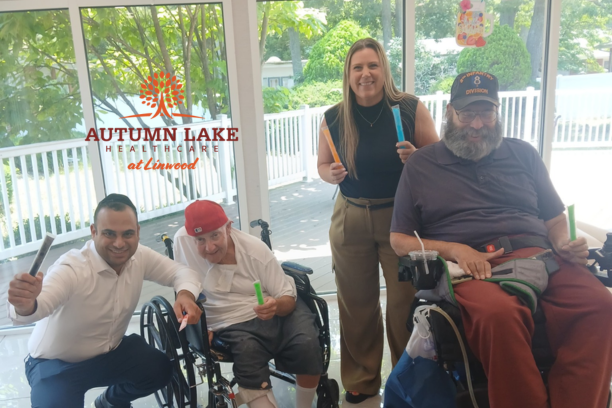
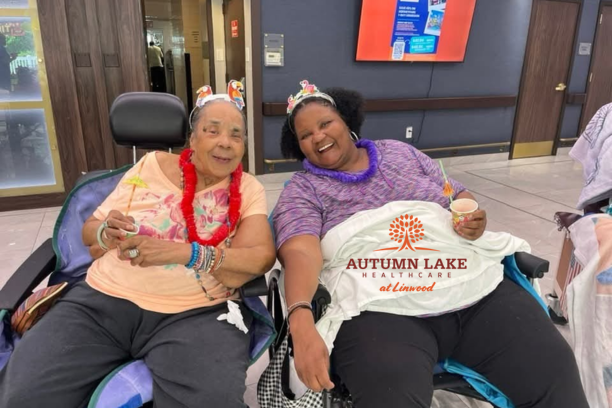
Staff members and nursing home residents in wheelchairs smiling while holding colorful ice pops.


Debunking the Myth: “Physical Strength Equals Readiness”

A common industry misconception is that if a patient can walk 50 feet with a walker, they are automatically ready for discharge. In many Linwood assisted living settings, the physical layout requires more than just a burst of strength; it requires cognitive endurance and the ability to navigate complex social environments.

The Reality: Physical gait is only one piece of the puzzle. Many patients possess the strength to walk but lack the executive function to recognize their own room or remember safety protocols. True readiness is determined by sustained endurance and cognitive orientation, not just a single physical feat performed in a controlled therapy gym.

Transition Logistics: What to Prepare

For those exploring Linwood nursing homes & elder care, the administrative hurdles can be mitigated with a structured approach. Ensure you have a Physician’s Report signed within the last 30 days and have coordinated with the facility’s preferred pharmacy to avoid gaps in medication.

  1. Care Conference: Attend a final meeting to translate therapy goals into long-term maintenance.
  2. Financial Review: Confirm coverage for private or semi-private room options.
  3. Social Integration: Review the monthly calendar for music, dancing, and group outings to find immediate points of connection.

Frequently Asked Questions

What is the difference between skilled nursing and long-term care?

Skilled nursing is short-term and focused on recovery from an injury or illness. Long-term care provides ongoing assistance with daily activities and medical management for chronic conditions.

Does insurance cover long-term living?

While Medicare typically covers short-term rehab, long-term care is often covered by Medicaid, private insurance, or private pay.

Are pets permitted in your facility?

Yes, pets are permitted, as we believe they are essential for the emotional well-being of our residents.

To Sum Up

Transitioning to long-term care is a significant step, but it doesn’t have to feel like a loss of independence. At Autumn Lake Healthcare at Linwood, we provide the medical infrastructure you need with the lifestyle amenities you want. From our fitness room and beautiful gardens to our specialized clinical units, we offer a place to truly call home.

Would you like to see our Boutique Clinical model in action?

Schedule a tour today to explore our private suites and meet our concierge team.

How Autumn Lake Linwood Provides Comprehensive Care: From Medication Management to Daily Personal Assistance

Comprehensive care is a holistic healthcare model that synchronizes clinical oversight, such as professional medication management, with dedicated daily personal assistance for activities of daily living (ADLs). By combining 24/7 nursing protocols with personalized support for mobility, hygiene, and nutrition, this approach ensures resident safety, reduces medical complications, and significantly enhances the overall quality of life for seniors.

The Pillars of Integrated Clinical and Personal Care

To understand how a high-level care center functions, one must look at the two primary components that work in tandem to support a resident’s journey toward wellness. When these two pillars, clinical precision and personal dignity, are fused, the result is a safer environment than what is typically found in traditional home-care settings.

1. Advanced Medication Management Protocols

Medication errors are among the leading causes of avoidable hospitalizations for seniors. A structured care environment mitigates this through a multi-layered clinical strategy. This includes physician coordination to avoid polypharmacy (the use of multiple drugs that may interact negatively), automated dispensing to ensure the right dose at the exact time, and consistent vitals monitoring. For example, a nurse may check blood pressure or glucose levels immediately before administering a specific tablet, ensuring the intervention is safe for the resident’s current physiological state.

2. Daily Personal Assistance (ADLs)

Personal assistance focuses on dignity and physical mobility. This includes mobility support, such as assistance with transferring from a bed to a chair, which is vital for preventing falls. It also encompasses hygiene care, including professional help with bathing, dressing, and grooming. By providing this support, caregivers ensure that residents feel their best, which is often the first step toward successful physical or occupational therapy. Families looking for a care center in Linwood, NJ often find that this blend of clinical and personal support provides a level of safety that is difficult to replicate at home.

Comparative View: Standard Support vs. Comprehensive Care

Understanding the depth of services is easier when looking at the differences between basic housing and a fully integrated medical model.

Feature Standard Assisted Living Comprehensive Care Model
Medical Oversight Periodic wellness checks 24/7 Licensed nursing monitoring
Medication Coordination Basic reminders Professional administration & tracking
Specialized Services General activities Ventilator, Dialysis, and Memory Care
Response Time Scheduled assistance Real-time emergency & personal response
Care Planning General template Individualized “Whole-Person” strategy

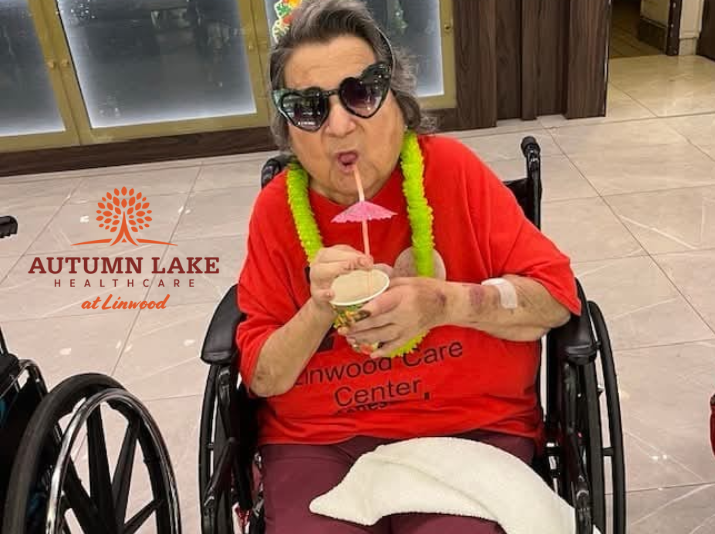
Two senior living residents smiling and wearing festive accessories during a social event.

Debunking the “Loss of Independence” Myth

A common misconception in the healthcare industry is that moving into a professional facility leads to a total loss of independence. In reality, the opposite is often true. When a resident no longer has to struggle with the exhausting anxiety of managing complex pill schedules or the physical strain of attempting to bathe in a non-accessible tub, they regain the energy to engage in life again.

By removing the “burden of survival,” residents are free to rediscover their hobbies, attend social events, and engage with their peers. For those transitioning into senior living in Linwood, NJ, the realization that they no longer have to worry about the logistics of their own care often leads to a “second act” of social and emotional growth. Comprehensive care doesn’t take away independence; it removes the barriers that prevent it.

The Linwood Boutique-Clinical Synergy: Our Proprietary Approach

We solve the disconnect between clinical needs and personal comfort through a proprietary blend of high-end hospitality and advanced medical intervention. Our facility blends the charm of small-town life with top-tier clinical care. Residents enjoy peaceful outdoor courtyards, private rooms, and a vibrant array of activities, from spa days and music & dancing to arts & crafts and group outings. We offer specialized units for memory care and dementia, as well as advanced services like ventilator and dialysis care. We provide dedicated long-term and respite care tailored to a wide range of complex medical needs.

The synergy is further realized in our delightful dining experience. Residents can choose to join us in our communal dining room or stay in the privacy of their own room. This flexibility is supported by an array of high-end amenities designed to foster a sense of belonging and security:

  • Safety & Security: An alarm system to aid in the security of residents with cognitive deficiencies.
  • Environmental Comfort: Beautiful courtyards, gardens, and fully air-conditioned spacious rooms with individual climate control.
  • Connectivity: Wifi, cable television, and computers with internet access to stay in touch with family in the surrounding neighborhoods.
  • Convenience: On-site beauty salon, laundry facilities, and mail/newspaper service.
  • Personalization: Private and semi-private rooms with private bathrooms, and we even permit pets to ensure the transition feels like home.

Key Benefits of a Unified Care Strategy

  1. Reduced Medication Interactions: Constant professional oversight catches contraindications early, especially important for those with complex medical histories.
  2. Enhanced Mental Health: Reducing the daily stress of self-care lowers rates of depression and anxiety among seniors.
  3. Family Peace of Mind: Relatives can return to being daughters, sons, and spouses rather than being unpaid, overstressed primary caregivers.

In our experience serving the community, many families searching for nursing homes in Linwood, NJ, find that having all these services under one roof, from concierge service to pharmaceutical delivery, streamlines the aging process and reduces the “crisis mode” often associated with senior health.

Specialized Recovery and Rehabilitation

For those recovering from surgery or a sudden health event, the integration of care becomes even more critical. A high-quality rehabilitation center in Linwood, NJ must be able to pivot quickly between intensive physical therapy and quiet, restorative rest. By having an on-site fitness room and wellness programs, the transition from “patient” back to “active resident” is seamless. The presence of a private hospice room also ensures that if needs change, the dignity of the individual remains the highest priority.

Whether a resident is here for a vacation stay or long-term residence, the goal remains the same: to provide a smoke-free, comfortable environment where medical needs are met with such precision that the resident can focus entirely on their own happiness. This is why a combined nursing home and rehabilitation center in Linwood, NJ, is often the most strategic choice for families who want to ensure their loved ones have access to Medicare and Medicaid-certified care without sacrificing the luxuries of a modern lifestyle.

Frequently Asked Questions

What is the difference between medication reminders and medication management?

Medication reminders are verbal prompts for a person to take their own medicine. Medication management is a clinical service where licensed nurses oversee the storage, dosage timing, and administration of medications, while also monitoring for side effects and drug interactions.

Is comprehensive care suitable for someone with dementia?

Yes. Comprehensive care models include specialized units for memory care and dementia, featuring enhanced security systems and activities designed to support cognitive function in a safe, enclosed environment.

Can I bring my own furniture or pets to a comprehensive care facility?

Most high-end facilities, including ours, allow for personal touches in private rooms and even permit pets, as these familiar comforts are essential for emotional well-being and a successful transition.

Does insurance cover these comprehensive services?

Most comprehensive care centers accept Medicare, Medicaid, and various private insurance plans, though coverage depends on the specific level of clinical care required.

To Sum Up

Choosing the right environment for your loved one is about more than just finding a bed; it’s about finding a community that values clinical excellence as much as personal joy. At Complete Care at Linwood managed by Autumn Lake Healthcare at Linwood, we pride ourselves on being the bridge between advanced medical necessity and the comforts of home.

If you are ready to see how our Boutique-Clinical Synergy can transform your family’s experience, we invite you to schedule a tour today.